
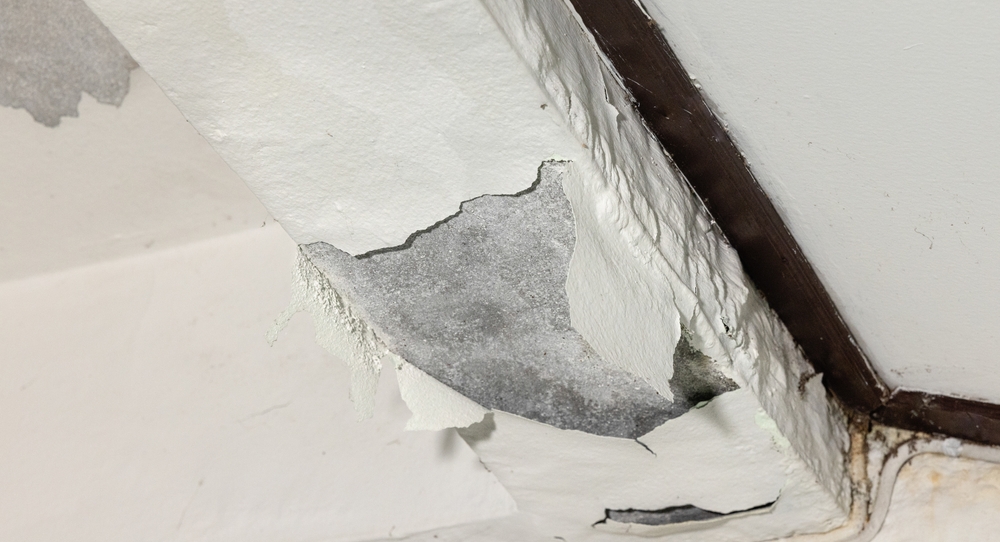
Slab leaks can cause significant damage to your home’s foundation and lead to costly repairs if not addressed quickly. The best slab leak repair services combine accurate leak detection with effective repair methods like repiping, relining, or rerouting to stop leaks and protect your property long-term. Knowing how to identify and fix slab leaks can save you money and prevent further damage.
When choosing a repair service, you want experts who use the latest technology for precise leak detection and offer durable, permanent solutions. These professionals assess your situation carefully to avoid unnecessary disruption and provide options tailored to your home’s needs.
Understanding the causes of slab leaks, such as pipe corrosion or shifting soil, helps you recognize the importance of professional repair. DIY fixes are not recommended, as slab leaks require specialized skills and equipment to ensure the problem is fully resolved.
Understanding Slab Leaks
Slab leaks happen under concrete foundations and can cause serious, hidden damage. Knowing what causes these leaks, how to spot them, and the risks of ignoring them helps you act quickly to protect your property.
What Are Slab Leaks and Why Do They Occur?
Slab leaks occur when water pipes beneath your building’s concrete foundation develop cracks or breaks. These leaks usually result from corrosion, poor installation, shifting soil, or high water pressure.
Your home’s foundation puts pressure on pipes, especially if your soil expands or contracts with moisture changes. Older metal pipes are more prone to corrosion, making leaks more likely over time.
Understanding this helps you see why regular maintenance and prompt repair are essential to avoid structural damage and water waste.
Common Signs of Slab Leaks in Homes and Businesses
You might notice an unexplained increase in your water bill or damp spots on floors and walls. Warm floors, sounds of water running when all fixtures are off, or mold growth near the foundation can also signal leaks below.
Other signs include low water pressure or pooling water in your yard. These symptoms often go unnoticed until damage is significant, so early detection is critical.
Keep a checklist of these signs to monitor your property consistently and call a professional if you observe multiple indicators.
Consequences of Untreated Slab Leaks
Ignoring a slab leak can lead to expensive structural damage to your foundation. Water can erode concrete, weaken support beams, and cause cracks in walls and floors.
Long-term leaks may promote mold growth and unhealthy indoor air quality, impacting your health. Additionally, untreated leaks waste water, increasing utility costs and potentially creating hazardous conditions.
Timely repair protects your home’s integrity and prevents costly repairs, making early action necessary for both safety and financial reasons.
The Slab Leak Detection Process
Detecting a slab leak requires precision and specialized tools to locate the leak without unnecessary damage. The process focuses on identifying the exact leak location beneath the concrete slab to enable efficient repair.
Overview of the Slab Leak Detection Process
Experts start with a thorough inspection using advanced tools like electronic amplification devices, thermal imaging, or acoustic sensors. These tools help pinpoint the leak by detecting changes in sound, temperature, or moisture.
Once located, a small access hole is made in the concrete slab to expose the damaged pipe section. This targeted approach minimizes disruption to your property.
Professional technicians use their expertise to confirm the leak’s source and assess damage before repair. Early detection helps prevent costly foundation damage, mold growth, and rising water bills.
Slab Leak Repair Methods
You will encounter several effective methods to repair a slab leak, each suited to different leak locations and pipe conditions. The choice depends on factors like the leak’s accessibility, pipe material, and whether you want a permanent or temporary fix.

Techniques and Materials Used in Slab Leak Repair
Common repair techniques include pipe rerouting, pipe relining, and spot repairs directly at the leak site under the slab. Rerouting involves installing new piping that bypasses the damaged area, often using durable materials like copper or PEX tubing.
Pipe relining uses an epoxy resin to coat the inside of your existing pipes, sealing leaks without digging through your concrete floor. This method minimizes disruption but may not be suitable for severely corroded pipes.
For minor leaks, spot repairs involve digging a small section of the slab to access and replace a damaged pipe segment. After the repair, the concrete is patched and restored. Each technique uses materials selected for durability and compatibility with your current plumbing system.
Choosing the Right Slab Leak Repair Service
Selecting the right repair service affects your home’s safety and repair costs. You need professionals who use accurate detection tools, offer transparent pricing, and guarantee quality work. This will help you avoid unnecessary damage and expenses during the repair process.
Benefits of Choosing Right Solution Plumbing for Repairs
Right Solution Plumbing uses advanced leak detection technology, ensuring they pinpoint the exact leak location without damaging your foundation. This reduces repair time and limits unnecessary concrete removal.
They provide clear estimates upfront, so you understand labor and material costs before work begins. This transparency helps you plan your budget without surprises.
Their team has extensive experience in slab leak repairs, combining spot repairs and full pipe replacements efficiently. You get reliable solutions tailored to your home’s specific issue. They also offer service guarantees, protecting your investment with warranty coverage on repairs.
Back to Blog