
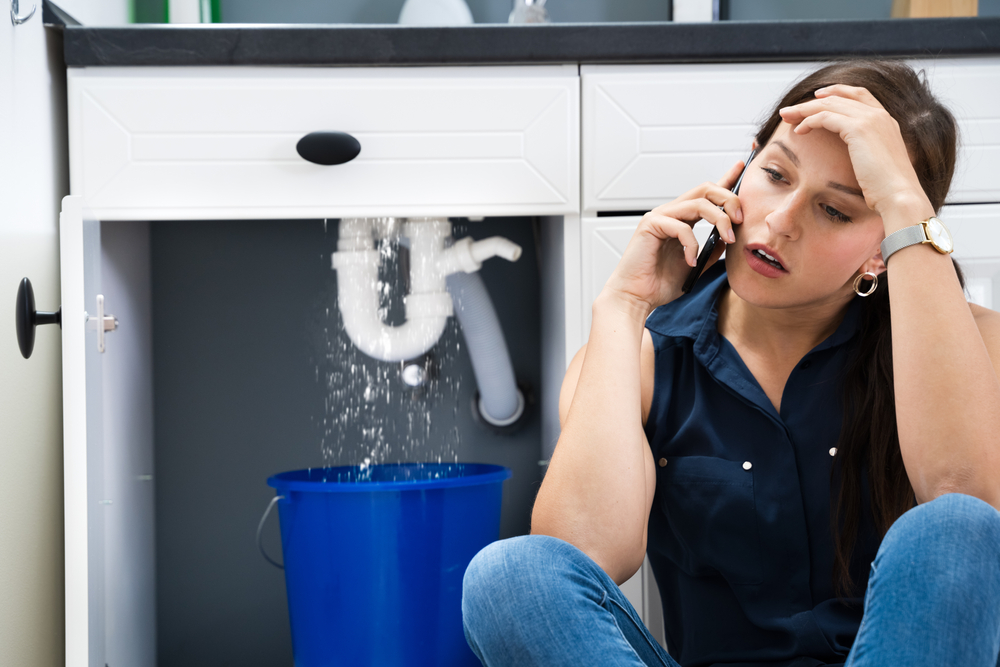
A broken water pipe can cause immediate damage and disrupt daily routines. Addressing the issue quickly and effectively is essential to prevent costly repairs and water waste. The key to easy water pipe repair lies in identifying the problem, shutting off the water supply, and applying the right materials to seal the break.
Many common pipe damages can be fixed without professional help if the right tools and steps are used. Understanding where and how to start the repair often saves time and reduces stress. This guide offers practical advice for anyone facing a broken water pipe, helping them get the job done with confidence.
Understanding Broken Water Pipes
Common Causes of Pipe Damage
Pipes often break due to freezing temperatures, which cause water inside to expand and crack the pipe material. Corrosion is another frequent cause, especially in older metal pipes exposed to moisture and minerals.
Physical impacts such as accidental punctures during construction or shifting soil can also fracture pipes. High water pressure or sudden pressure changes, like water hammer, can stress pipes and lead to leaks over time.
Tree roots growing near underground pipes can exert pressure, rupture the pipe, or cause slow leaks. Poor installation practices or the use of substandard materials tend to shorten pipe lifespan as well.
How to Identify a Broken Water Pipe
Typical signs of a broken pipe include wet spots or puddles near or under walls and floors, even when no water fixtures are running. A drop in water pressure or unusual noises like banging or hissing in pipes may also indicate damage.
Visible rust or corrosion on exposed pipes suggests weakening that could lead to failure. Unexplained spikes in water bills often point to hidden leaks from broken pipes underground.
Discolored or foul-smelling water can signal pipe contamination due to cracks. In cold climates, frost on a pipe is a clear warning of potential freezing and cracking.
DIY Temporary Fixes for Broken Water Pipes
Essential Safety Precautions
Before starting, the main water supply must be turned off to prevent flooding. You should open nearby taps to drain excess water from the system. Electrical devices near the leak should be unplugged to avoid shock hazards.
Wearing rubber gloves and eye protection protects against contaminants and sharp pipe edges. If the break is large or water pressure remains high, it is safer to wait for professional help. Assess the environment for slip risks caused by water on the floor.
Step-By-Step Guide for Temporary Repairs
First, the damaged section should be dried thoroughly with a cloth. Depending on the pipe type, rubber patches, epoxy putty, or pipe repair clamps can be applied. Rubber and clamps are useful for small leaks, while epoxy is better for cracks.
To apply a clamp, position it over the leak and tighten securely with a screwdriver or wrench. Epoxy putty must be kneaded until uniform and pressed firmly onto a clean, dry pipe surface.
Once the temporary fix is applied, the main water supply can be slowly turned back on. Check for leaks carefully and tighten or reapply materials as needed. Temporary solutions usually last only a few days and require prompt professional replacement.
Professional Water Pipe Repair Solutions
Effective water pipe repair requires timely assessment, precise techniques, and reliable materials. Using professional services minimizes risks of recurring leaks and structural damage, while ensuring lasting quality.
Why Expert Repair Is Necessary
DIY fixes or inexperienced repairs often miss hidden damage like corrosion or joint weakness. Professionals can identify the root cause, preventing future bursts or leaks.
Incorrect repairs can cause water damage to walls, floors, and personal property, increasing restoration costs. Licensed plumbers apply building codes and safety standards, reducing hazards like mold growth and contamination.
Experienced technicians also use specialized tools, such as pipe cameras or pressure testers, to detect and verify issues beyond visible damage. This thorough approach saves time and money over temporary solutions.
Right Solution Plumbing’s Proven Process
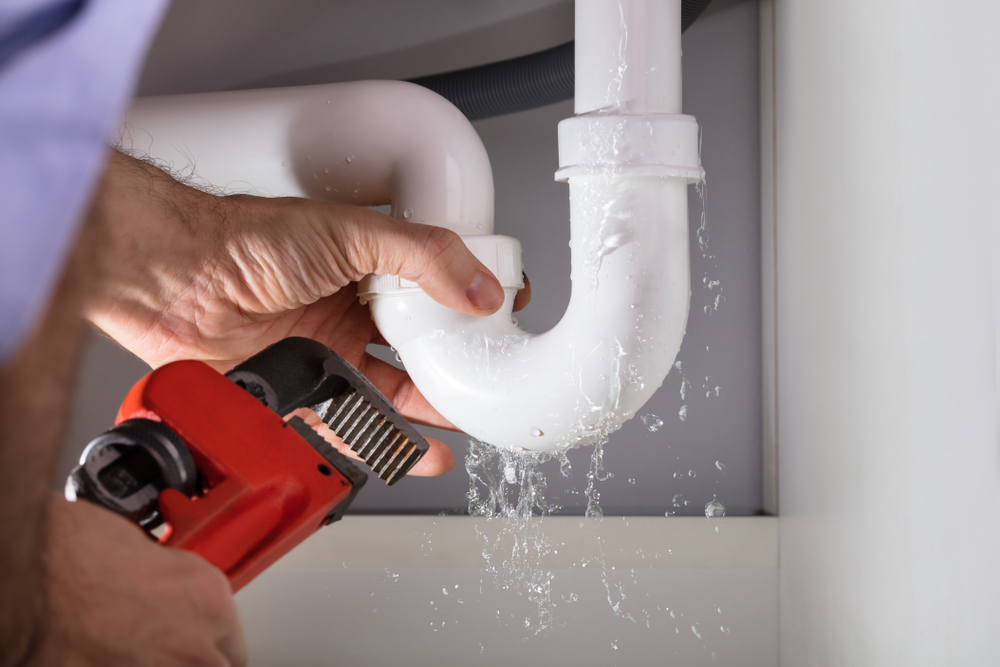
Right Solution Plumbing begins with a detailed inspection to locate problem areas precisely. Using video inspections, they identify cracks, blockages, or pipe wear without unnecessary disruption.
The team then clears debris and makes repairs using durable materials tailored to the pipe type, such as PVC, copper, or PEX. Their method includes high-quality fittings and professional soldering or sealing techniques.
Repairs undergo pressure testing to ensure integrity before restoration, avoiding premature failure. They also advise on pipe maintenance to extend lifespan and prevent future leaks.
Ensuring Customer Satisfaction
Right Solution Plumbing commits to clear communication, providing upfront cost estimates and timelines. Customers receive updates throughout the repair process for transparency. They prioritize neat, minimally invasive work to reduce mess and inconvenience. After repair, they conduct walkthroughs to explain the work completed and offer maintenance tips.
Their service includes follow-up calls to confirm customer satisfaction and address any concerns promptly, reflecting their focus on reliability and trust.
Preventing Water Pipe Breaks in the Future
Maintaining water pipes prevents costly damage and reduces inconvenience. Focusing on scheduled inspections and adopting specific care habits prolongs pipe life and lowers the chance of future breaks.
Routine Maintenance and Inspection
- Regular inspections help detect early signs of wear, corrosion, or leaks. Professionals recommend checking visible pipes every six months for discoloration, rust, or moisture.
- Winter preparation is critical. Pipes exposed to the cold should be insulated with foam sleeves or wrapped with heat tape to avoid freezing and bursting.
- Flushing pipes annually removes buildup inside them. Sediment and mineral deposits weaken pipes over time, so clearing these extends their lifespan.
- Using a water pressure gauge can prevent excessive pressure, which strains joints and pipe walls. Ideal home water pressure ranges between 40-60 psi. Pressure above this increases risk.
Tips for Long-Term Pipe Health
- Avoid chemical drain cleaners that can corrode pipes internally. Instead, use mechanical methods or approved enzymatic products.
- Install water softeners if water hardness exceeds 7 grains per gallon. Hard water minerals cause scaling that damages pipe interiors and valves.
- Promptly fix minor leaks to prevent moisture buildup that promotes rust and structural weakening. Small drips can evolve into major breaks if ignored.
- Regularly clean gutters and downspouts near external pipes to avoid water pooling around underground plumbing, which contributes to soil movement and pipe stress.