
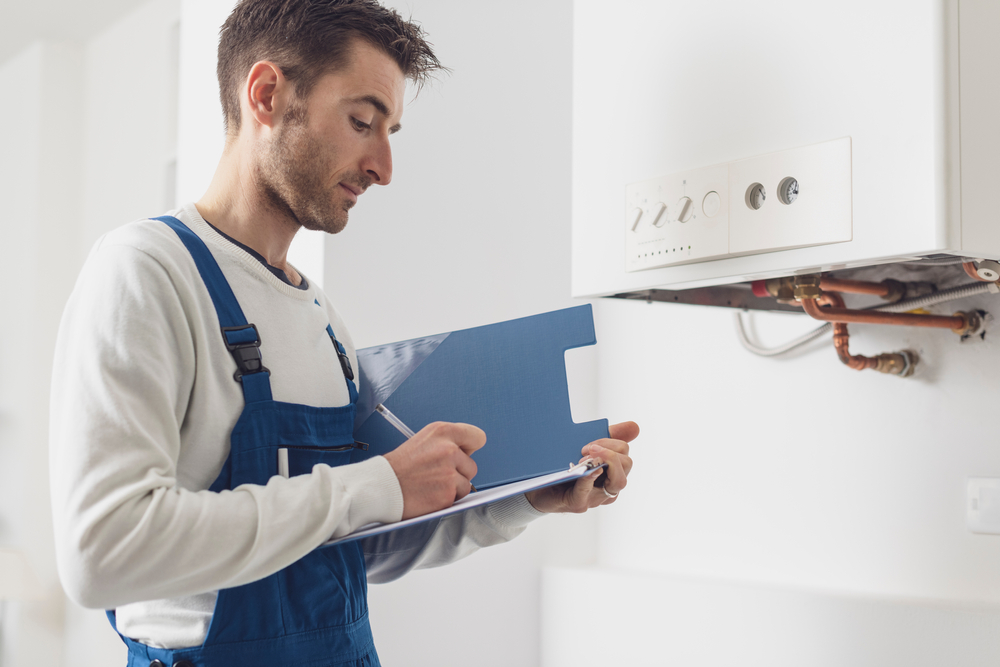
Commercial water heaters require regular maintenance to ensure efficiency, safety, and a longer lifespan. Neglecting upkeep can lead to costly repairs, reduced performance, and unexpected downtime. Proper maintenance includes inspecting components, flushing the tank, checking pressure relief valves, and monitoring for leaks.
Routine checks help identify issues early and maintain optimal operation. Professionals or trained personnel typically carry out these tasks to guarantee safety and compliance with regulations.
Understanding the basics of commercial water heater maintenance allows facilities to plan regular service intervals and avoid emergencies. This guide breaks down essential steps that keep systems running smoothly and reliably.
Types of Commercial Water Heaters
Commercial water heaters come in various forms, each suited to different operational needs and energy sources. Understanding these distinctions is key to choosing the right system for efficiency and cost-effectiveness.
Understanding Different Types of Commercial Water Heaters
Commercial water heaters generally fall into two main categories: storage and instantaneous. Storage water heaters hold a specific volume of water heated and ready for use. Instantaneous or tankless models heat water on demand, eliminating the need for a storage tank.
Another type includes heat pump water heaters, which use electricity to move heat from the air to heat water, offering higher efficiency in suitable climates. Solar water heaters use solar panels to collect energy, supplementing traditional heating sources.
Each type varies in installation complexity, maintenance requirements, and suitability for different business sizes and water demand patterns.
Gas vs. Electric Water Heaters
Gas water heaters typically use natural gas or propane. They can produce large volumes of hot water quickly and often have lower operational costs where gas prices are favorable. However, they require proper ventilation and regular combustion safety checks.
Electric water heaters are generally easier to install and maintain, and they do not emit combustion gases. They tend to have higher energy costs but are efficient in smaller operations and locations without gas infrastructure.
The choice depends on energy costs, availability, installation constraints, and environmental regulations affecting the business location.
Tank vs. Tankless Water Heaters
Tank water heaters store heated water in large insulated tanks, ensuring a constant supply. They require more space and have higher standby heat losses but are simple in design and maintenance.
Tankless water heaters heat water only when needed. This reduces energy wastage and saves space but may have limited flow rates, making them less ideal for very high water demand unless multiple units are installed.
Businesses must weigh upfront costs, space requirements, energy efficiency, and demand patterns when choosing between tank and tankless models.
Essential Maintenance Tasks for Commercial Water Heaters
Proper care of commercial water heaters focuses on optimizing their performance and preventing breakdowns. Key factors involve consistent inspection, cleaning, and addressing potential issues promptly.
Benefits of Regular Maintenance for Commercial Water Heaters
Regular maintenance extends the lifespan of water heaters by reducing corrosion and sediment buildup. It also maintains energy efficiency, helping businesses lower utility costs significantly.
Scheduled inspections catch small problems early. This means fewer emergency repairs and less downtime for commercial operations, which rely on a steady hot water supply.
Maintenance tasks include flushing the tank to remove sediment, checking the anode rod for corrosion, and inspecting pressure valves. These steps improve safety by preventing failures that could cause leaks or pressure explosions.
Common Issues With Commercial Water Heaters and How They Are Resolved
- Sediment accumulation is the most frequent problem. It lowers efficiency and can cause overheating. Flushing the tank annually helps eliminate this buildup.
- Leaks often occur at valves, pipe fittings, or the tank itself due to corrosion or wear. Repairing or replacing damaged components quickly avoids water damage and operational interruptions.
- Pilot light failure and thermostat issues disrupt water heating. Cleaning the burner assembly and calibrating or replacing thermostats restores proper temperature control.
- Pressure relief valves can malfunction, causing unsafe pressure levels. Regular testing and valve replacement ensure safe system operation.
Signs of Failure and Professional Solutions
Commercial water heaters show specific signs indicating the need for repair or replacement. Proper diagnosis and timely intervention prevent disruptions in business operations and further equipment damage.
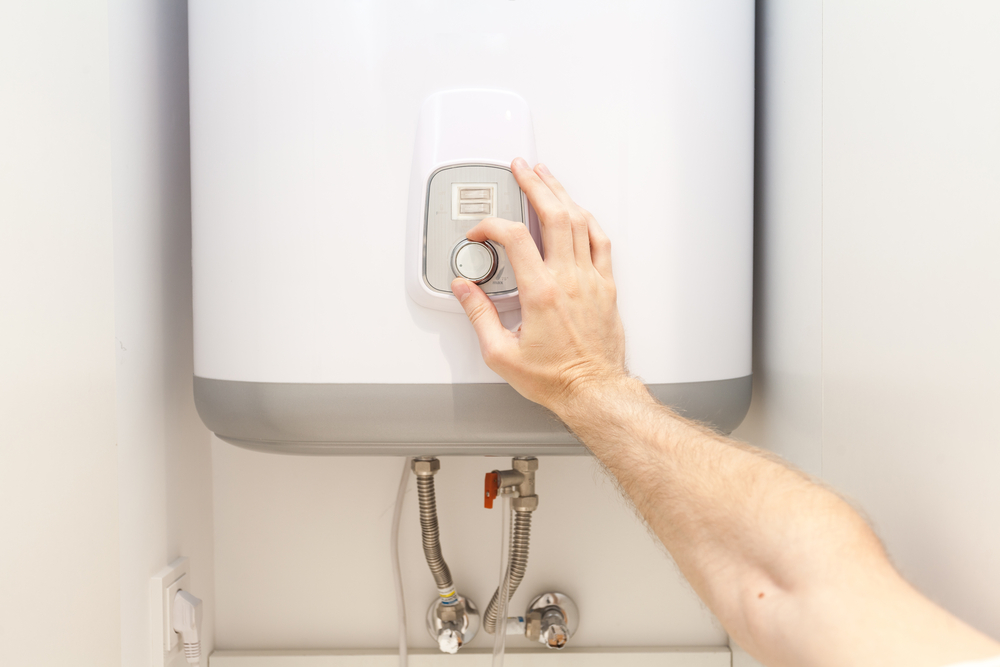
Indicators That a Commercial Water Heater Needs Replacement or Repair
Common signs include inconsistent water temperature, unusual noises like rumbling or banging, and visible leaks around the tank or connections. Rust-colored water or reduced hot water capacity also signals internal corrosion or sediment buildup.
Frequent pilot light outages, frequent cycling on and off, and higher-than-normal energy bills suggest inefficiencies requiring professional evaluation. If multiple issues occur or the unit is older than 8-12 years, replacement is often more cost-effective than repair.
Right Solution Plumbing’s Approach to Installation and Maintenance
Right Solution Plumbing conducts thorough diagnostics before recommending repair or replacement, focusing on minimizing downtime for commercial clients. Their technicians inspect all system components, including thermostats, heating elements, and pressure relief valves.
Maintenance plans include regularly scheduled flushing to remove sediment and periodic safety checks to extend system life. Installation services emphasize proper sizing and energy-efficient models tailored to each business’s demands, ensuring optimal performance and compliance with local codes.
Cost and Energy Efficiency Considerations
Maintaining a commercial water heater impacts both operational costs and energy consumption. Proper upkeep can prevent expensive repairs and reduce energy waste, improving overall efficiency.
Cost Considerations and Energy Efficiency Tips
Initial maintenance costs include inspections, flushing, and part replacements like anode rods or thermostats. Neglecting routine service can lead to tank corrosion or sediment buildup, which raises repair expenses and shortens equipment lifespan.
Energy efficiency improves with regular sediment removal and temperature adjustments. Setting the thermostat between 120°F and 140°F balances safety and energy use. Installing insulation blankets on older tanks can reduce standby heat loss by 10-15%.
Upgrading to ENERGY STAR-certified models during replacement offers long-term savings. Automated monitoring systems can alert facility managers to leaks or inefficiencies early, avoiding costly downtime.
Back to Blog