
Dealing with a sewer backup is stressful, but understanding the cost to fix it can help you prepare and act quickly. On average, sewer backup repairs range from $1,000 to $4,000, depending on the severity and the work needed.
The cost will vary based on factors like the cause of the backup, the extent of damage, and whether professional cleaning or pipe replacement is necessary. Knowing what influences these costs allows you to make informed decisions and avoid surprises.
We will break down these expenses in detail so you can better understand what to expect and how to budget for a sewer backup repair. This knowledge can save you time, money, and frustration during an emergency.
Understanding Sewer Backups
Sewer backups occur when wastewater cannot flow freely through the main sewer line, causing it to reverse direction and enter our homes or property. The causes vary but often involve blockages or damage within the system. Recognizing the signs early can help us prevent major damage and costly repairs.
What Is a Sewer Backup?
A sewer backup happens when wastewater is forced back through the plumbing system instead of flowing away from your property. This typically occurs in the main sewer line that connects your home to the municipal sewer system.
The result is sewage emerging from drains, toilets, or floor drains. This situation poses health risks due to bacteria that contaminate surfaces. Sewer backups require immediate attention to reduce damage and prevent further contamination.
Common Causes of Sewer Backups
Tree root infiltration is a frequent culprit. Roots can grow into small cracks to access water, causing blockages and pipe damage. Over time, roots expand and can break or collapse sewer pipes. Clogged pipes also cause backups. These clogs may come from grease buildup, debris, or foreign objects flushed down drains. Older or damaged pipes worsen the problem by slowing wastewater flow.
Broken or collapsed sewer lines from age, shifting soil, or poor installation disrupt normal flow. Pipe collapses trap wastewater and increase pressure, causing backups.
Signs You Might Have a Sewer Backup
Slow-draining water in sinks, tubs, or toilets is often an early sign. It indicates wastewater is struggling to flow through the system. Foul smells from drains or around the property can indicate that sewage is near the surface or trapped in the pipes. These odors are usually strong and persistent.
Gurgling sounds from toilets or drains occur when air is trapped by blockages, a common sign of a backup forming in the sewer line. You should check these noises promptly to avoid severe backups.
Comprehensive Cost Breakdown
Understanding the key elements that influence the cost of fixing a sewer backup helps you prepare accurately. Several factors determine the total expense, including the problem’s scope and the materials involved.
Assessing the Cost to Fix a Sewer Backup
We start by evaluating the severity of the sewer backup. Minor blockages or localized clogs can often be cleared quickly, costing between $250 and $600. More severe backups, such as damaged or collapsed pipes, require extensive repairs and can range from $1,000 to $5,000.
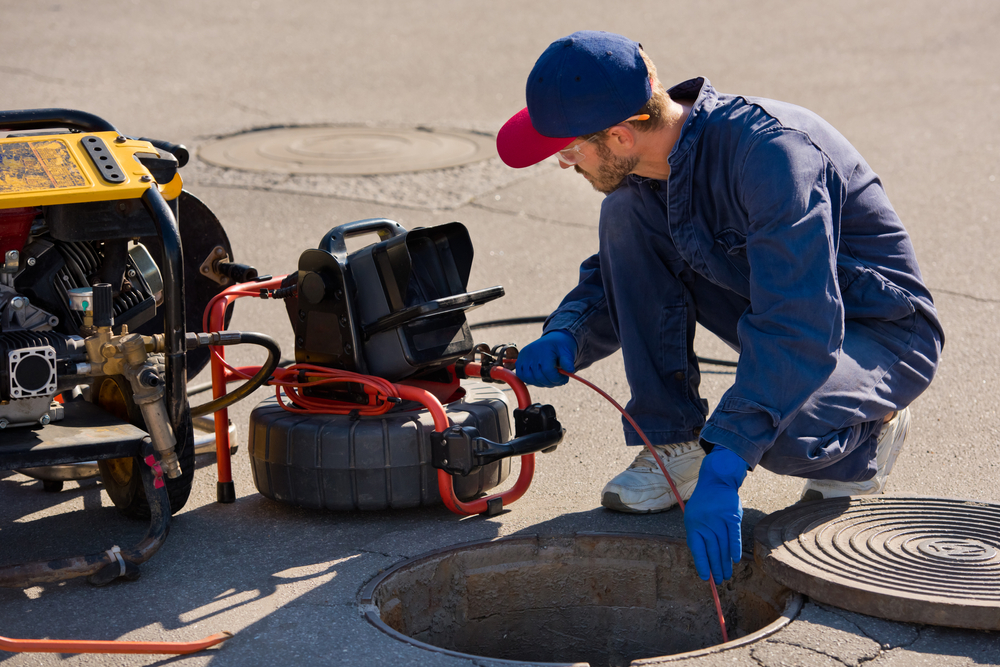
The assessment includes inspecting the affected area using tools like cameras to locate the source of the problem. This diagnostic step typically adds $100 to $300 to the total cost, but is essential for precise repairs. Cleanup and sanitation after the repair are also part of the cost. Removing contaminated water and debris to prevent health hazards usually costs an extra $200 to $600.
Factors Affecting Cost
Several factors impact the final price. First, the severity of the issue affects how long the repair takes and the complexity involved. Next, the types of materials and tools needed play a major role. For example, replacing PVC pipes costs less than upgrading to cast iron or other durable materials.
Location and accessibility matter as well. Sewer lines under driveways or concrete slabs require additional labor and equipment to access, increasing expenses by several hundred dollars. Labor rates vary by region, which can add 10-30% to the overall cost depending on where you live.

Prevention and Professional Solutions
Preventing sewer backups and addressing issues early reduces repair costs and damage. We focus on practical maintenance actions and reliable, expert plumbing services designed to keep sewer systems functioning properly.
Preventative Measures and Maintenance Tips
- Regular cleaning of sewer lines helps avoid clogs from grease, hair, and debris buildup. We recommend scheduling sewer line cleaning every 1-2 years depending on household size and usage.
- Avoid flushing non-degradable items like wipes and sanitary products. Use drain strainers to catch solids before they enter pipes. Proper disposal reduces blockages significantly.
- Inspect tree roots near sewer lines regularly. Roots can invade and damage pipes, requiring costly repairs. We suggest using root barriers or professional root removal when needed.
- Routine plumbing maintenance checks catch small problems early. These include testing backflow preventers and verifying cleanout access points. Preventative care limits emergency situations and extends pipe life.
Overview of Right Solution Plumbing’s Services
We specialize in sewer line cleaning and repair using advanced technology like video camera inspections and hydro-jetting. This ensures precise diagnosis and effective clearing without excavation. Our emergency plumbing services are available 24/7 to address backups quickly and minimize property damage. We prioritize timely responses to prevent worsening sewer issues.
We also offer plumbing maintenance plans tailored to your system’s needs. These plans include regular sewer inspections, cleaning, and minor repairs to keep your plumbing functioning reliably year-round. Through professional expertise and proactive service, we help protect your home from costly sewer backups and maintain system integrity consistently.
Back to Blog