
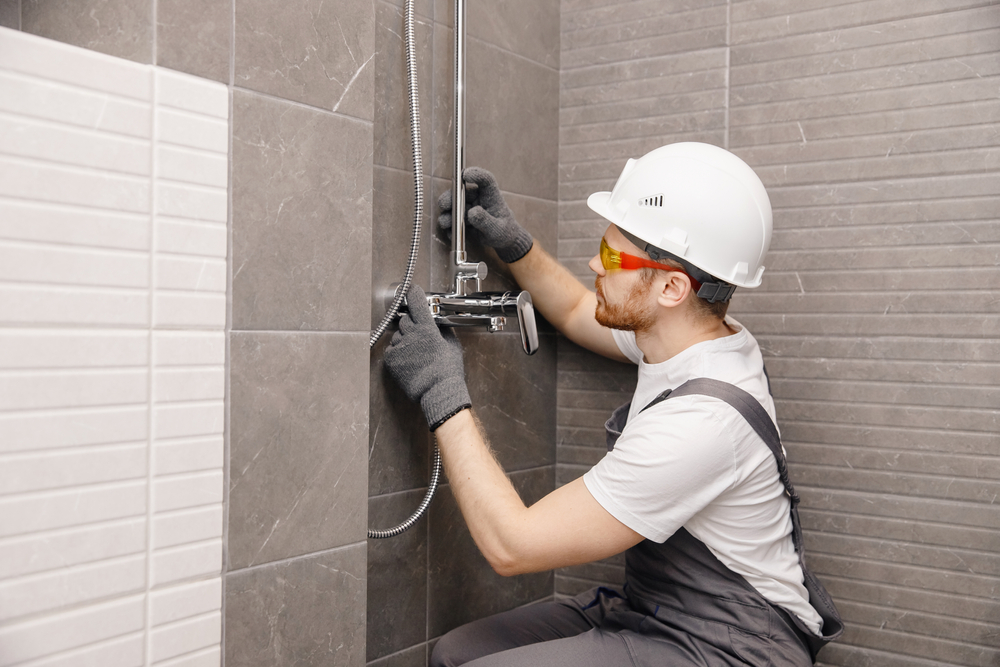
When considering a new shower installation, understanding the cost of a 48×32-inch shower is essential. This size is a common choice for many bathrooms, offering enough space without overwhelming the area. The average cost to install a 48×32-inch shower ranges between $1,000 and $3,000, depending on factors like materials, labor, and location.
Choosing the right size shower affects both the installation process and overall expense. The 48×32 inch dimension strikes a balance, fitting most standard bathrooms while remaining versatile for different layouts. Knowing this helps you plan effectively for your bathroom upgrade.
Cost Breakdown for a 48×32 Inch Shower Installation
Materials Required for Installation
The 48×32-inch shower base or pan is the first major material cost. Depending on the type—acrylic, fiberglass, or tile—the price can range from $150 to $600. Shower walls or surrounds, often in fiberglass or tile, typically add $200 to $800.
Plumbing fixtures like faucets, showerheads, and valves usually cost between $100 and $400. Sealants, grout, screws, and waterproofing membranes add another $50 to $150. Also factor in tools or rental fees if not owned.
Labor Costs and Time Estimates
Labor for a shower installation generally runs from $300 to $900 for professional contractors. The time needed varies, but usually spans 6 to 12 hours, depending on complexity. Tile installations or custom work take longer and cost more.
You should expect plumbers, tilers, and general contractors to be involved. Hourly rates vary, typically $50 to $100 per hour, but efficient scheduling can reduce overall labor expenses.
Additional Costs to Consider
Disposal of old shower materials and preparation work can add $100 to $300. Modifications to existing plumbing or walls might increase costs if the structure isn’t standard.
Permits or inspections might be required, adding $50 to $200, depending on local regulations. Unexpected issues like water damage repair can significantly raise the total cost, so keep a buffer in mind.
Factors Influencing Installation Cost
Shower Type and Materials Used
The type of shower you choose drives much of the cost. A prefabricated shower guide made of acrylic or fiberglass tends to cost less than custom tile or stone enclosures. Materials like granite or waterproof tile add time and expense due to the skilled labor required.
Labor rates vary with material complexity. For instance, acrylic showers can be installed quickly, while tiled showers might require multiple days and specialized skills.
Impact of Location and Accessibility
Where you install matters a lot because labor costs differ widely depending on the geographical area. Urban centers usually have higher labor rates than rural locations. Accessibility also plays a role. Tight or difficult spaces can increase installation time. For example, older homes with narrow bathroom layouts might require custom fitting or extra prep work.
Additionally, the existing plumbing condition can affect cost. Upgrading or moving pipes adds labor and materials, increasing the total price.
Effect of Customization and Upgrades
Customization like built-in shelves, glass doors, or advanced fixtures like rainfall showerheads increases costs based on scope and complexity. Upgraded waterproofing or enhanced drainage systems add to materials expenses and labor time.
Custom tile patterns or multi-level shower floors require skilled labor, elevating installation time and cost. Each modification requires precise work to ensure durability and compliance with building codes.
Upgrades can improve long-term performance but generally raise initial installation budgets.
DIY vs Professional Installation
DIY Installation: Pros, Cons, and Cost Overview
Installing the shower yourself can save money on labor, typically ranging from $200 to $500 for materials only. You control the timeline and learn new skills, which can be rewarding.
However, a DIY project demands experience with plumbing, waterproofing, and precise measurements to avoid leaks or damage. Mistakes can lead to expensive repairs later, making it riskier without proper knowledge.
Tools and supplies may add extra cost and time. For those comfortable with home improvement, DIY can work, but be realistic about your capabilities and the complexity of the installation.
Professional Installation Services
Hiring a professional installer ensures the job meets local building codes and industry standards. Costs usually range from $800 to $1,500, covering labor, materials, and cleanup. Professionals like Right Solution Plumbing Services bring expertise, reducing the risks of leaks and installation issues. Their experience often results in faster and more reliable completion.
You can expect warranties and guarantees on workmanship, providing peace of mind. Choosing skilled plumbers saves time and prevents costly mistakes you might make.
Why Choose Right Solution Plumbing Services
Right Solution Plumbing offers specialized experience in installing showers of various sizes, including 48×32-inch models. Their team adheres to strict quality standards, ensuring proper sealing and drainage. You benefit from transparent pricing and clear communication, avoiding unexpected expenses. Their professional approach minimizes disruption in your home during installation.
With Right Solution Plumbing, you get access to expert advice on the best materials and design tailored to your bathroom. Their track record reflects reliability and customer satisfaction, making them a strong choice for installation.
Planning and Budgeting Tips for Shower Remodels
Setting Realistic Budgets
Start by researching average costs for installing a 48×32-inch shower, factoring in materials, labor, and permits if needed. It’s wise to allocate at least 10-20% extra beyond initial estimates to cover unforeseen expenses like plumbing repairs or tile adjustments.
Using a detailed cost breakdown helps:
| Item | Estimated Cost Range |
| Shower base/pan | $200 – $600 |
| Wall panels/tiles | $300 – $900 |
| Plumbing work | $400 – $1,200 |
| Labor | $800 – $1,500 |
This structure guides you in choosing materials and deciding where to save without compromising quality.
Timeline Considerations
You need to account for time spent on material delivery, demolition, plumbing modifications, and installation. A typical 48×32-inch shower installation may take 3-7 days, depending on complexity and contractor availability.
Scheduling inspections and curing times for adhesives or grout extends the timeline. Delays often come from waiting on specialty items or unexpected repairs, so building a buffer of a few days keeps the project on track.
Maximizing Value and Efficiency
To optimize value, focus on durable materials that reduce maintenance costs over time. Choosing a prefabricated shower pan can save time and money compared to custom tile bases.
Also, consider energy-efficient fixtures and water-saving showerheads that lower utility bills. Consolidating tasks, such as combining the shower remodel with other minor bathroom updates, can reduce overall labor costs.
Proper planning allows you to get the most from your investment without sacrificing quality or style.
Back to Blog