
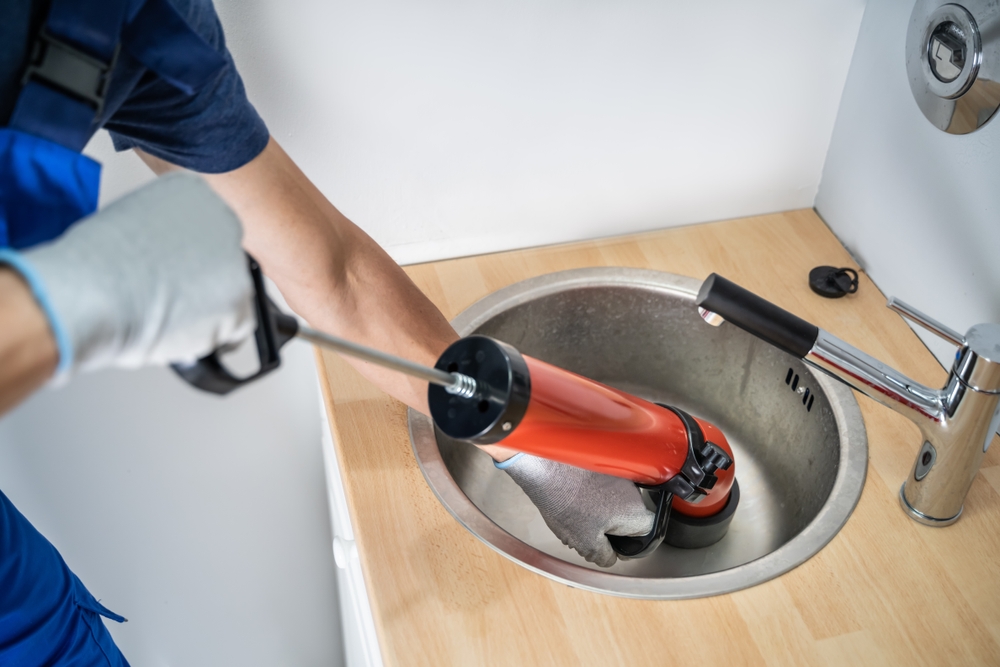
Dealing with a drain backup can be frustrating and messy, but acting quickly can minimize damage. The best immediate step is to stop using the affected drains and safely clear the blockage with a plunger or drain snake if possible. This prevents water from backing up further into your home.
You should also locate your main sewer cleanout and check for obvious clogs or backups outside your house. If the problem persists or the backup involves sewage, contacting a professional plumber is necessary to avoid health risks and property damage.
Understanding Drain Backups
Drain backups occur when wastewater is unable to flow out of your home properly. This causes water and waste to return into your sinks, tubs, or toilets. Knowing what causes these backups and how to spot their early signs helps you act quickly and limit damage.
Common Causes of Drain Backups
Most drain backups happen because of blockages in your pipes. Common causes include hair clogs, food debris, grease buildup, and soap scum. Tree roots can also penetrate underground pipes, causing significant blockages.
In addition, old or damaged pipes may collapse or corrode, restricting water flow. Toilets flushing non-flushable items like wipes or feminine products often cause sewer clogs. Heavy rain or flooding can overwhelm your sewer system, leading to backups.
Regular maintenance by removing debris and avoiding pouring grease down drains reduces your risk. Inspect your plumbing periodically to catch potential issues early.
Recognizing Signs of a Drain Backup
You can detect a drain backup through several warning signs. Slow-draining sinks, tubs, or toilets usually indicate a developing clog. Gurgling sounds from drains often happen when air is trapped behind blockages.
Unpleasant sewage odors near drains or in your basement are important clues. Water bubbling up in your toilets or drains suggests pressure buildup from a backup. Basement flooding or unusual wet spots may also signal a sewer system problem.
If you notice any of these signs, act quickly to avoid more serious water damage and costly repairs.
What to Do in Case of a Drain Backup
You need to act quickly to minimize damage and health risks when your drain backs up. Some steps you can take immediately help stop the issue from worsening, while other situations clearly require professional support.
Immediate Actions Homeowners Should Take
First, avoid using any water fixtures connected to the backed-up drain. Running water can worsen the overflow or push clog material further inside. Next, remove any visible debris blocking the drain opening. Use gloves and a bucket to catch waste to prevent contamination.
Try using a plunger to clear minor blockages. Seal the plunger around the drain opening and pump firmly several times. Avoid pouring harsh chemical drain cleaners, as they can damage pipes and increase repair costs.
Finally, shut off the main water supply if flooding occurs to protect your home from water damage.
When to Call a Professional Plumbing Service
Call a plumber immediately if water is backing up into multiple fixtures. This may indicate a serious clog in your main sewer line. You should also seek professional help if you notice foul odors or sewage leaks inside your home.
If plunging and basic measures don’t stop the problem within an hour, a professional can use specialized tools like snakes or video cameras for inspection. Right Solution Plumbing offers prompt services designed to locate and clear blockages safely, preventing further damage to your plumbing system.
Professional Solutions for Drain Backups
When a drain backs up, relying on professional expertise is crucial. Effective resolution involves thorough inspection, targeted cleaning, and precise repairs to prevent recurring issues.
Inspection Services for Drains and Sewage Systems
You need an accurate diagnosis of the cause of your drain backup. Professionals use video camera inspections to look inside pipes and locate blockages, cracks, or tree root intrusions. This method reveals hidden problems without unnecessary digging or disruption.
Services offered by Right Solution Plumbing include detailed sewer and drain inspections. Their experts assess flow issues, pipe conditions, and potential weaknesses. This helps avoid misdiagnosis and ensures the correct repair plan.
Cleaning and Unclogging Services
Once the cause is identified, cleaning is essential. Professionals use hydro-jetting or motorized drain snakes to clear debris, grease buildup, and sludge. Hydro-jetting shoots high-pressure water to flush blockages, while drain snakes physically break up clogs.
Right Solution Plumbing offers tailored cleaning methods depending on the blockage. This guarantees thorough removal and restoration of normal drainage flow. Regular professional cleaning can also reduce future backup risks.
Repair and Maintenance Solutions
If inspections reveal damaged pipes or persistent blockages, repairs become necessary. Techniques include pipe lining, spot repairs, or full pipe replacement depending on the damage severity.
Maintenance plans from Right Solution Plumbing help you avoid emergencies by scheduling routine check-ups and cleanings. Timely repairs combined with regular maintenance extend system life and maintain proper drainage function.
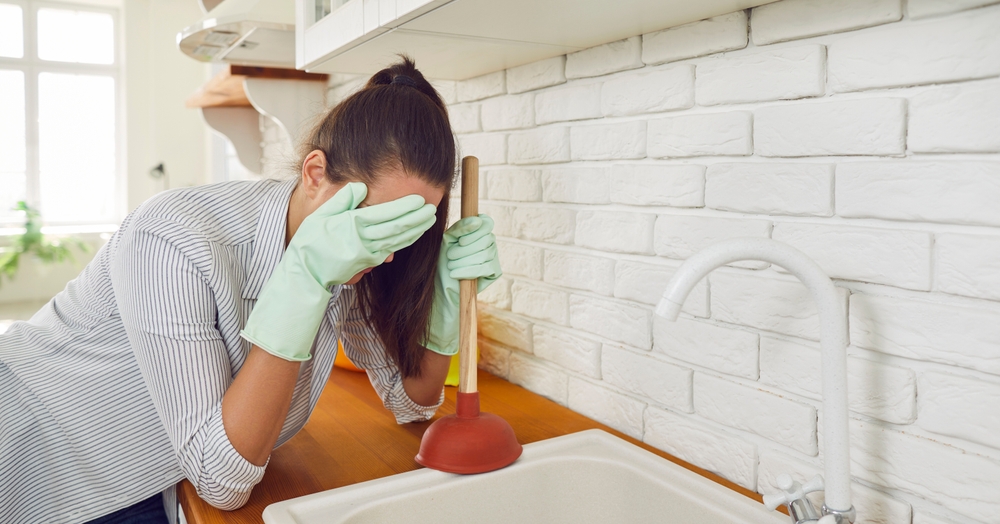
Prevention Tips to Avoid Future Backups
Proper upkeep and mindful habits help you reduce the risk of drain backups. Knowing what to watch for and how to maintain your drains can save you from costly repairs and inconvenience.
Regular Maintenance Routines
Schedule drain inspections and cleanings every 6 to 12 months. Use enzyme-based drain cleaners monthly to break down buildup without damaging pipes. Avoid harsh chemical cleaners that can erode plumbing over time.
Install drain strainers in sinks and showers since they catch hair, food particles, and debris before they enter the pipes. Clear the strainers frequently to maintain flow.
If you notice slow drainage, address it immediately. Small blockages can become serious backups if ignored. Flushing drains with hot water weekly helps to keep grease and soap scum from accumulating.
Best Practices to Prevent Clogging
Do not pour grease, oil, or coffee grounds down the drain. These substances solidify and cause blockages. Dispose of cooking fats in the trash instead. Avoid flushing anything other than toilet paper and human waste. Items like wipes, feminine products, and paper towels clog pipes quickly.
Use a plunger or drain snake as soon as you sense slow drainage. Do not rely solely on chemical fixes. Getting to blockages early prevents larger issues. Educate everyone in your household on what can and cannot go down the drain because consistent habits matter most in avoiding future clogs.
Back to Blog