
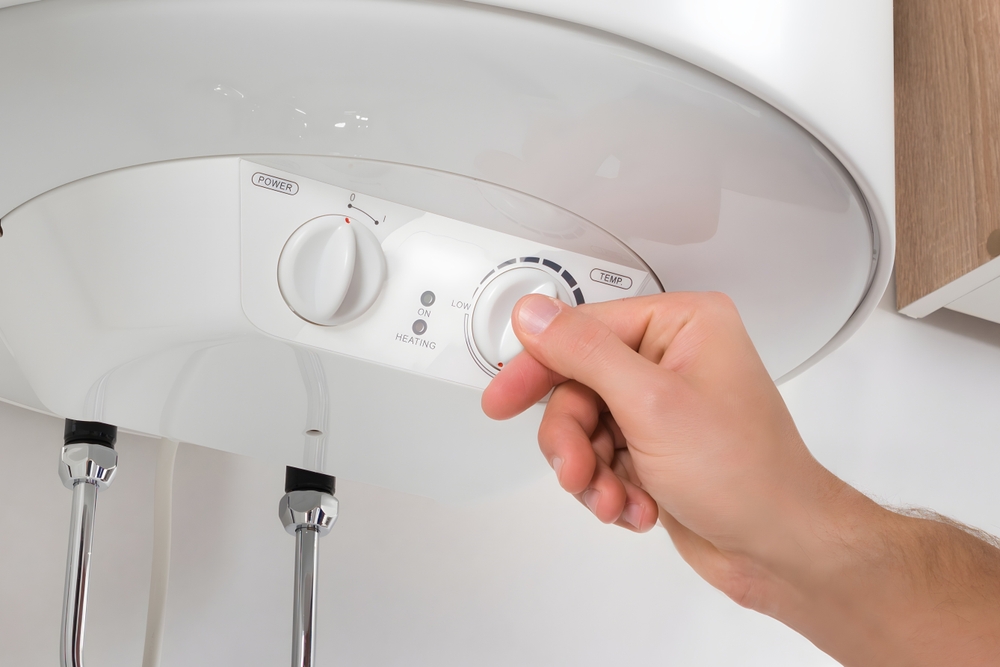
Electric water heaters often stop working due to a handful of common issues that are usually simple to identify and fix. Problems with the thermostat, heating elements, or electrical connections are frequent causes. If the water heater isn’t producing hot water, it is often because the heating element has failed or the thermostat is malfunctioning and not turning the element on.
Main Causes of Electric Water Heater Failure
Electric water heaters can stop working due to a few common mechanical and electrical faults. These problems often result in no hot water or the unit not turning on. Identifying the exact cause helps in applying the right fix efficiently.
Power Supply Issues
A disrupted power supply is a frequent cause of an electric water heater not heating. If the heater isn’t receiving voltage, it won’t turn on or heat the water. This might be due to loose wiring, a blown fuse, or a faulty power outlet.
Checking the circuit or power source for interruptions is the first step. Sometimes the problem lies outside the heater, such as a tripped main breaker or issues with the home’s electrical system. Ensuring consistent and proper voltage delivery is critical for operation.
A qualified electrician can verify the electrical connections and correct any deficiencies.
Tripped Breaker
A tripped breaker is a protective measure against electrical overload or short circuits that can cut power to the water heater. If the breaker trips repeatedly, this signals a persistent electrical issue.
The breaker for the heater is usually located in the main service panel. Resetting it may restore function temporarily, but investigation is necessary if it trips again soon after.
Possible reasons for repeated trips include a damaged heating element causing a short, wiring faults, or an overloaded circuit. Routine inspections and proper breaker maintenance reduce the chances of unexpected outages due to tripping.
Thermostat Malfunction
The thermostat controls the water temperature by regulating the heating element’s power. A malfunctioning thermostat may fail to send the right signals, so the water heater doesn’t get hot or fails to maintain temperature.
Thermostat issues can cause the heater to overheat or underheat water. Sometimes the reset button on the thermostat trips, cutting off heating until manually reset.
Testing the thermostat with a multimeter can confirm its functionality. Replacing a faulty thermostat is usually straightforward and restores normal operation.
Heating Element Failure
The heating element converts electrical energy into heat. If it fails or burns out, the water will not reach the desired temperature or remain cold.
Elements can degrade over time or due to sediment buildup inside the tank. Corrosion or physical damage to the element disrupts its ability to heat water effectively.
Testing the element’s continuity with a multimeter can verify if a replacement is needed. Replacing the heating element is a practical solution when performance drops or no heating occurs.
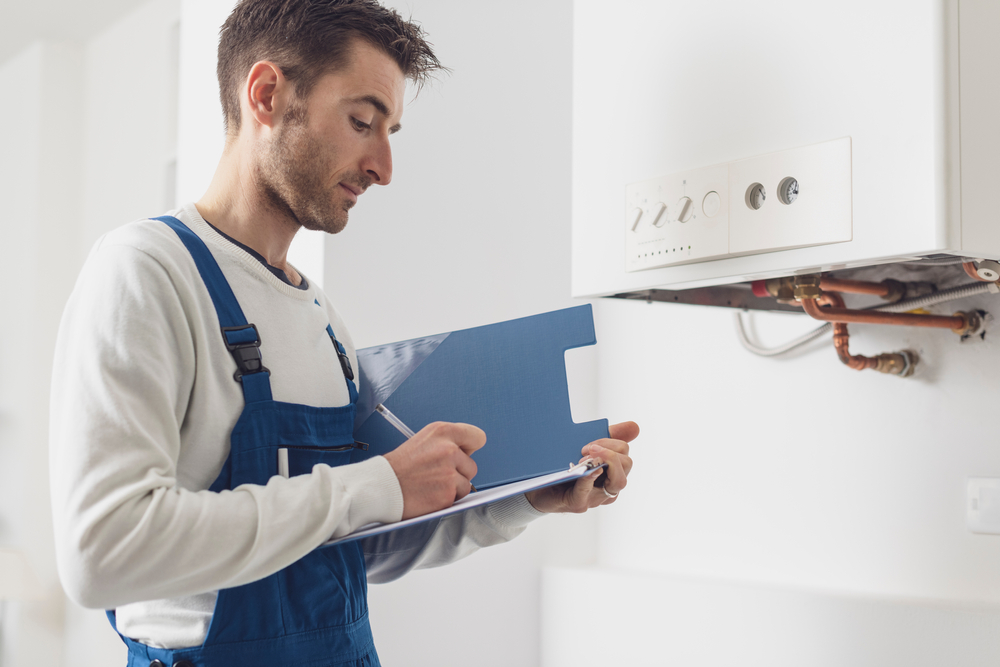
Troubleshooting Steps for a Non-Functioning Water Heater
A non-functioning electric water heater often results from electrical issues or component failures.
Initial Electrical Checks
The first step is ensuring the water heater is receiving power. Check the circuit breaker panel for any tripped breakers linked to the water heater. Reset any tripped breakers carefully.
Next, inspect the water heater’s power switch, usually located near the unit, and confirm it is turned on.
Safety precaution: Always turn off power at the breaker before inspecting wiring or components. Use a voltage tester to confirm no live current is present.
Testing the Thermostat
The thermostat controls water temperature by regulating power to the heating elements. Use a multimeter to check for continuity between thermostat terminals. No continuity indicates a faulty thermostat.
Adjust the thermostat to a standard temperature, usually between 120°F and 140°F, and retest after resetting the heater. If the thermostat does not engage, it requires replacement.
Inspect for visible corrosion or damage; these impair function. In some models, there are two thermostats—one for the upper element and one for the lower. Both require testing since either could cause failure.
Inspecting Heating Elements
- Heating elements generate the actual heat within the tank. If the thermostat functions normally, focus on the elements next.
- Turn off all power before testing. Remove access panels and insulation to expose the elements.
- Using a multimeter, test for element continuity. A broken element will show no continuity, meaning it needs replacement.
- Check for signs of wear like blisters or sediment buildup. Sediment can reduce efficiency or cause the element to fail prematurely.
Examining Faulty Wiring
Faulty wiring can prevent the heater from operating safely or at all. Inspect wiring connections at the thermostat, heating elements, and breaker panel. Look for loose or burned wires, discoloration, or exposed copper. All connections should be tight and corrosion-free.
If the wiring appears damaged, it should be repaired or replaced by a qualified technician to avoid fire hazards.
Safety note: Never attempt wiring repairs without fully shutting off the power supply and following electrical safety standards.
Professional Support and Maintenance Tips
Knowing when to call a plumber, choosing the right service provider, and following maintenance routines greatly improve an electric water heater’s reliability.
When to Contact a Plumbing Professional
Homeowners should contact a plumbing professional when the electric water heater shows persistent problems such as no hot water after basic troubleshooting, strange noises, leaks, or electrical issues like tripped breakers. If there is any sign of corrosion, damaged wiring, or burnt odors, immediate professional assessment is critical to avoid hazards.
Attempting complex repairs without experience can cause further damage. A qualified plumber can diagnose issues like faulty thermostats, broken heating elements, or wiring problems accurately.
Overview of Right Solution Plumbing’s Expertise
Right Solution Plumbing specializes in electric water heater repair and replacement and has extensive experience addressing common and complex issues. Their technicians are trained to quickly identify problems such as heating element failure, thermostat malfunctions, and tank leaks.
Right Solution Plumbing emphasizes quality workmanship and prompt service to restore hot water efficiently. They are committed to customer satisfaction through transparent communication and affordable solutions tailored to each home’s needs. Key services include inspection, repair, installation, and preventive maintenance.
Back to Blog