
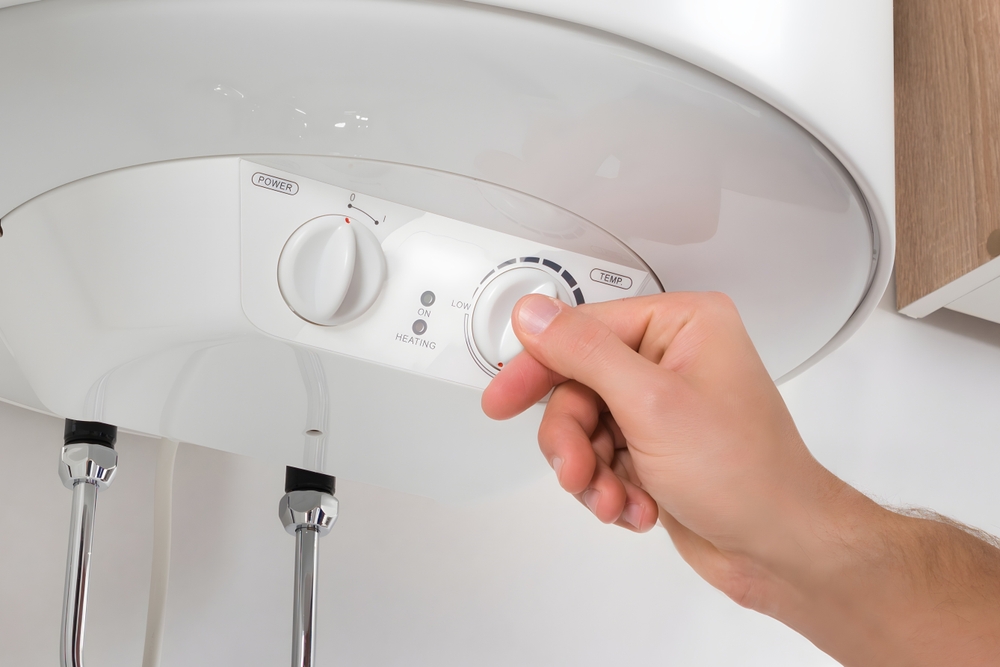
Hot water heaters are essential for daily comfort, but when they malfunction, it can disrupt your routine quickly. Understanding how to identify common problems and perform basic repairs can save you time and money. Simple fixes like flushing the tank, checking the thermostat, and inspecting the heating element often resolve most issues without professional help.
Many homeowners overlook preventive maintenance, which plays a key role in extending a heater’s lifespan. Regular inspections and timely attention to warning signs prevent costly breakdowns. Knowing what to look for and how to act confidently ensures the hot water heater continues to operate efficiently.
Common Hot Water Heater Issues and Identification
Hot water heaters often show specific signs when they malfunction. Recognizing these early symptoms and addressing them promptly helps avoid costly repairs and extends the unit’s lifespan.
Typical Signs of Hot Water Heater Problems
Unusual noises, such as popping or rumbling, typically indicate sediment buildup inside the tank. This sediment reduces efficiency and can cause damage if not removed. Water temperature inconsistencies signal a potential thermostat or heating element failure. Lukewarm or very hot water, despite thermostat settings, is a clear warning.
Leaks around the base or connections often point to corrosion or faulty valves. Small puddles or dampness below the heater require immediate attention to prevent water damage. Discolored or foul-smelling water may result from rusty pipes or bacterial growth inside the tank. This affects water quality and suggests the need for flushing or replacement parts.
Early Detection and Timely Repair
Identifying problems early prevents escalation. Regular inspection of the tank, valves, and fittings helps spot issues like rust, worn components, or loose connections before leaks occur. Prompt repairs save money by avoiding major tank damage or total system failure. Replacing faulty heating elements or worn thermostats quickly restores efficiency.
A routine flush every 6 to 12 months removes sediment buildup, maintaining performance and preventing noise. Checking the pressure relief valve ensures it functions correctly, providing essential safety.
By acting on these indicators, homeowners reduce downtime and extend the operating life of their hot water heater.
Step-by-Step Troubleshooting and Repair
Effective troubleshooting starts with identifying simple issues before moving to complex repairs. Knowing when to address problems personally or seek professional help is crucial. Practical repair tips focus on safety and proper techniques to restore hot water systems efficiently.
Basic Troubleshooting for Homeowners
Homeowners should first check if the pilot light is on for gas heaters or if the circuit breaker is tripped for electric models. A cold water supply valve in the closed position can also stop hot water flow. Next, drain and flush the tank to remove sediment buildup that reduces heating efficiency. If the water pressure is low, inspect faucet aerators and valves for blockages.
Simple thermostat adjustments might restore proper water temperature. If the temperature dial is set too low or high, it can cause inconsistent heating or safety shutdowns.
When to Fix or Call a Professional
Small tasks like relighting the pilot or resetting the thermostat can be handled safely by most homeowners. However, issues involving gas lines, electrical components, or tank leaks require professional intervention.
If there are signs of rust, corrosion, or water pooling near the heater, it’s important to call a licensed technician immediately. Repairing or replacing damaged heating elements should be left to experts to avoid injury or further damage.
Hot Water System Repair Tips
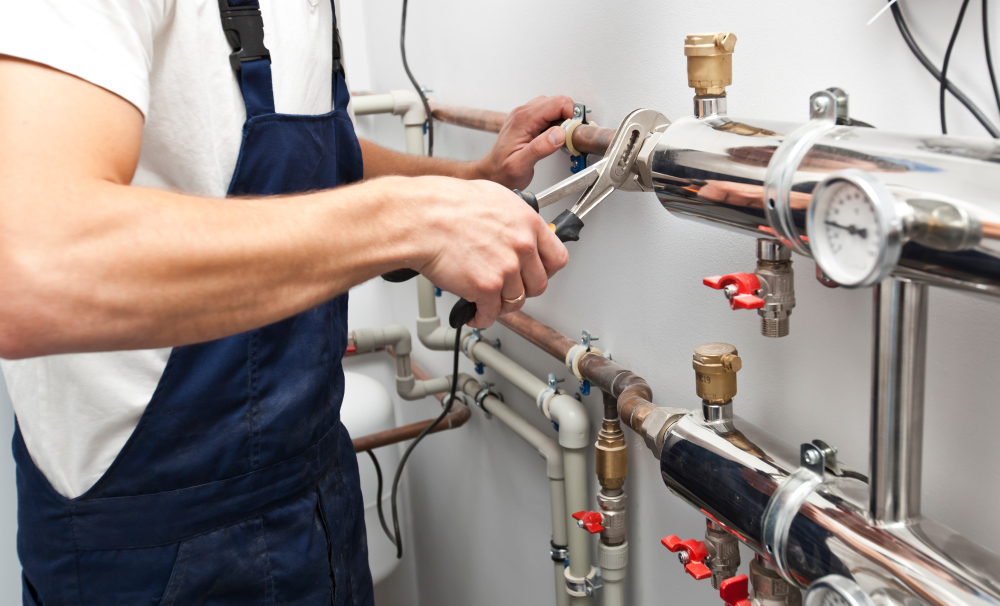
Before starting any repair, turn off the power supply and close the water valve. Use a voltage tester to confirm no electricity is present on electric models.
To replace heating elements, drain the tank below the element level and remove the old part carefully, then install the new one with proper sealing. For gas heaters, clean or replace faulty thermocouples and gas valves to restore ignition reliability.
Types of Hot Water Heaters and Repair Considerations
Hot water heaters mainly fall into two categories: gas and electric. Each type requires different maintenance and repair approaches based on their heating mechanisms and components.
Gas vs. Electric Water Heater Differences
Gas water heaters use a burner fueled by natural gas or propane to heat water. They typically heat water faster and have lower operating costs in areas with cheap gas. Electric water heaters, however, use electric heating elements immersed in the tank to warm the water.
Gas units need ventilation for combustion gases, while electric models do not. Gas heaters have a pilot light or electronic ignition that can fail, causing heating issues. Electric heaters are prone to element burnout or thermostat failure, but do not risk gas leaks or combustion problems.
Professional Services and Maintenance Tips
Proper hot water heater repair and ongoing maintenance are essential to avoid breakdowns and ensure a reliable hot water supply.
Choosing Hot Water Heater Repair Services
Selecting a professional service is crucial for effective hot water heater repair. Look for companies with proven expertise in diagnosing issues such as pilot light failures, thermostat problems, and sediment buildup.
Right Solution Plumbing offers focused repair services with skilled technicians who address common issues swiftly. Their approach emphasizes comprehensive diagnostics before recommending repairs or replacements.
Ensure the service provides clear estimates, uses quality replacement parts, and offers warranties. Reliable repair services help prevent recurring problems and minimize inconvenience.
Extending Lifespan Through Maintenance
Regular maintenance significantly prolongs a hot water heater’s lifespan. Key tasks include flushing the tank annually to remove sediment and checking the anode rod for corrosion.
Maintaining correct temperature settings (usually 120°F) reduces wear and limits energy use. Inspecting valves and electrical connections periodically also prevents leaks and electrical faults.
Right Solution Plumbing’s Expertise
Right Solution Plumbing specializes in hot water heater repair and maintenance tailored for residential and commercial clients. Their technicians apply a methodical process to identify faults and restore functioning units quickly.
Their comprehensive service includes tankless and traditional units, with an emphasis on minimizing downtime and optimizing performance. Regular maintenance plans are offered to help clients avoid unexpected breakdowns.
By focusing on quality repairs and clear communication, Right Solution Plumbing maintains consistent hot water supply and durability for customers.
Back to Blog