
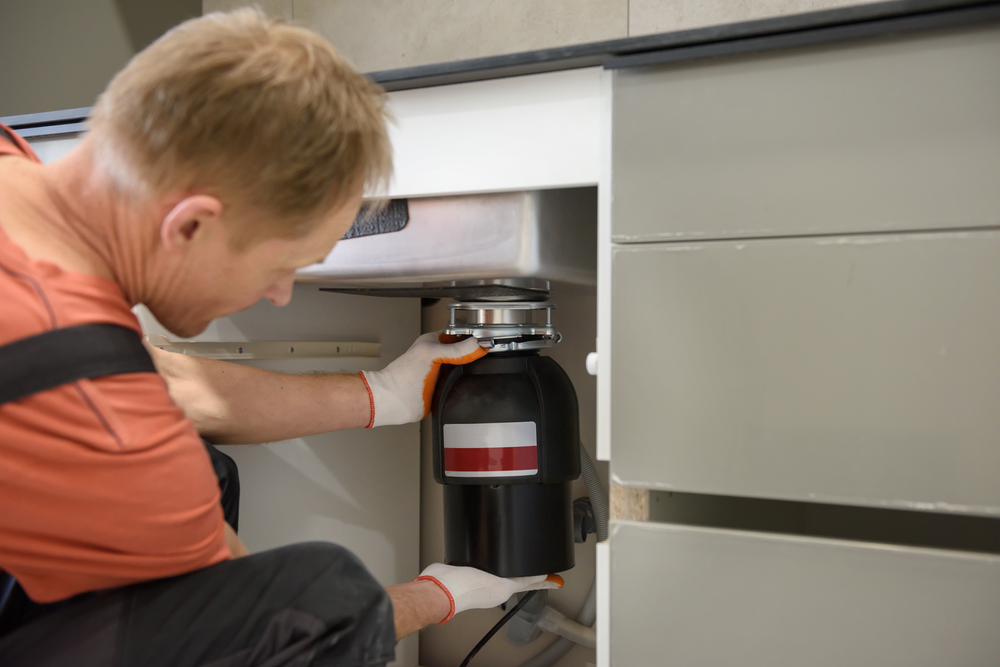
Changing a garbage disposal is a manageable task that many homeowners can do without calling a professional. The key to an easy replacement is to disconnect the power, remove the old unit by twisting it off the mounting assembly, and then align the new disposal into place before securing it.
Understanding the Role of a Garbage Disposal
A garbage disposal is a device installed under the kitchen sink to manage food waste efficiently. It helps maintain sanitation and prevents plumbing issues by breaking down scraps into small particles.
What a Garbage Disposal Does and Its Benefits
A garbage disposal grinds food waste into tiny pieces that can easily pass through plumbing pipes. This prevents clogs and reduces the amount of garbage sent to landfills. Key benefits include:
- Convenience: Quickly disposes of most food scraps.
- Hygiene: Reduces odor caused by leftover food in trash bins.
- Plumbing Protection: Minimizes the risk of blocked pipes due to food buildup.
- Environmental Impact: Less organic waste in trash leads to reduced landfill methane emissions.
It handles most kitchen scraps except fibrous, starchy, or hard items like bones, shells, or large pits, which can damage the unit.
Common Issues That Require Replacement
Garbage disposals typically last 8-15 years but need replacement when frequent issues arise. Common signs include:
- Persistent jams that cannot be cleared.
- Leakage at the base or connections.
- Loud grinding noises indicating damaged blades.
- Failure to turn on despite a power supply.
If frequent repairs become costly or the unit shows rust, clogging, or smells persistently bad, replacement is often more practical than repair.
Preparing for Garbage Disposal Replacement
Gather all necessary items and understand essential safety steps before beginning. Proper preparation helps avoid delays and hazards during installation.
Tools and Materials Needed
You will need a few basic tools: a screwdriver (typically a flathead and Phillips), an adjustable wrench, and pliers. A putty knife may be required to remove the old plumber’s putty or sealant.
Materials include the new garbage disposal unit, plumber’s putty or sealant, and possibly a new mounting ring if the existing one is damaged. It’s also wise to have a bucket or towel ready to catch any residual water when disconnecting the drain.
Safety Measures to Consider Before Starting
The power supply to the garbage disposal must be completely turned off at the circuit breaker to avoid electric shock. Simply unplugging is not always sufficient.
Verify that the power is off using a non-contact voltage tester if available. Wearing safety goggles and gloves protects eyes and hands from debris and sharp edges.
Clearing out under the sink provides ample working space and reduces the risk of knocking over items. Ensuring proper lighting also helps maintain focus and precision during replacement.
Step-by-Step Guide on How to Change a Garbage Disposal
Changing a garbage disposal involves careful disconnection of the old unit, preparing the sink area to fit the new device, installing the replacement properly, and testing its operation.
Disconnecting the Old Unit Safely
First, the power supply to the garbage disposal must be turned off at the circuit breaker or unplugged to prevent electrical accidents. Next, the drain trap and dishwasher hose (if connected) should be detached using a wrench or pliers.
The mounting assembly holding the disposal in place needs to be loosened. This usually involves rotating the mounting ring counterclockwise while supporting the unit. Once freed, the old disposal can be carefully lowered and removed from the sink.
Preparing the Area for Installation
After the old disposal is removed, clean the sink flange thoroughly. Inspect the drain pipes and ensure they are free of blockages or damage.
If the new garbage disposal comes with a different mounting system, the old parts may need to be replaced or adjusted. Verify that the power outlet or junction box is compatible and ready for connection.
Apply plumber’s putty or the manufacturer’s recommended sealant to the sink flange to create a watertight seal.
Installing the New Garbage Disposal Unit
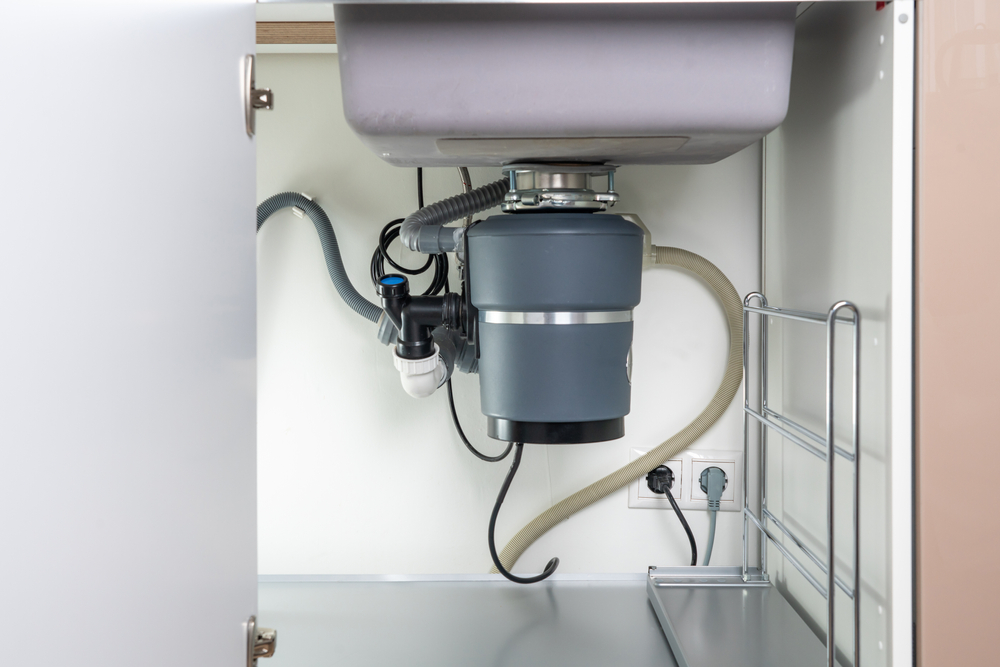
Begin by attaching the new mounting ring to the sink flange and securing it tightly. Lift the new disposal to align with the mounting assembly, then rotate the mounting ring clockwise to lock it in place.
Connect the dishwasher drain hose, if applicable, and tighten the clamp. Attach the disposal outlet to the drain trap using the provided gasket and bolts or screws.
If the disposal is hardwired, ensure the connections follow electrical codes. If it is plug-in, place it into the outlet securely.
Testing Functionality and Making Necessary Adjustments
Restore power and run cold water through the disposal. Turn the unit on and listen for smooth operation without unusual noises. Next, check all connections under the sink for leaks while the unit is running. Tighten any loose fittings or mounting components as needed.
If the disposal does not turn on, verify the electrical connections or reset the internal circuit breaker.
Troubleshooting and Maintenance Tips
Proper troubleshooting and routine maintenance help ensure a garbage disposal operates smoothly after installation.
Troubleshooting Common Issues Post-Installation
If the disposal won’t start, check that it is plugged in and the reset button on the bottom or side is pressed. A jammed disposal can be cleared by inserting an Allen wrench into the hex socket at the base and turning it back and forth.
Leaks often occur at sink flange or discharge connections and require tightening or replacing gaskets. Strange noises may signal foreign objects caught inside or worn components needing inspection or replacement.
Avoid running the disposal dry or putting fibrous materials like celery or eggshells in it, as these can cause clogs and damage.
Maintaining Your Garbage Disposal for Longevity
Regular cleaning prevents buildup and odors. Running cold water with a small amount of dish soap through the disposal after using it helps keep it clean. Grinding lemon peels or baking soda, followed by vinegar, can freshen odors and remove minor residue.
Periodically inspect mounting bolts and connections for tightness. Avoid flushing large bones, grease, or coffee grounds, which can damage blades and clog pipes. Use only recommended replacement parts and accessories to maintain performance.
Back to Blog