
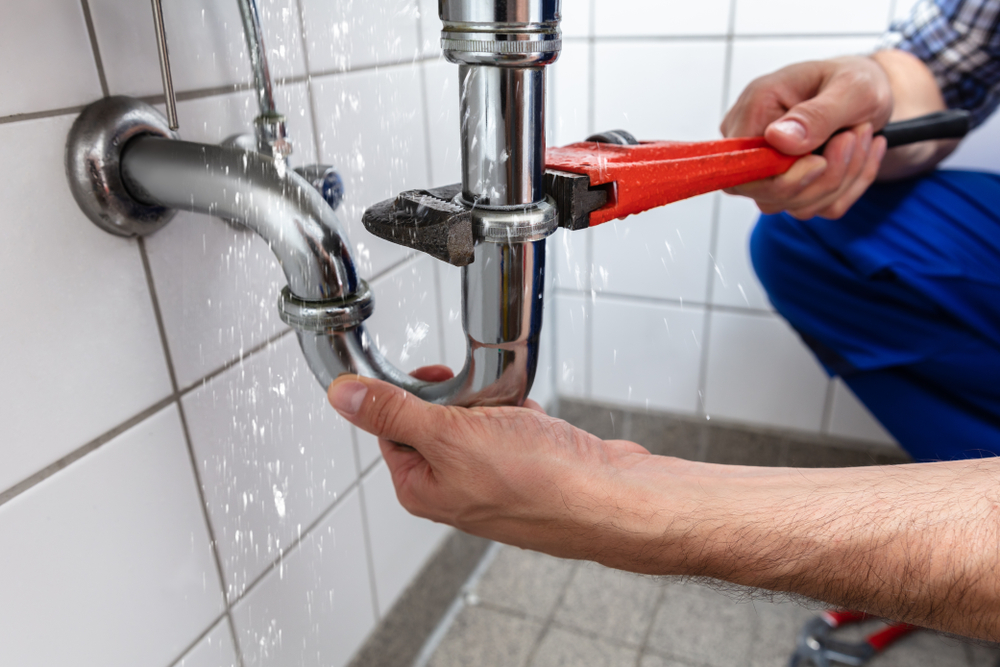
A broken water pipe can cause significant damage if not addressed quickly. The fastest way to fix a broken water pipe is to immediately shut off the main water supply, drain the pipe, and apply a temporary patch or use a pipe repair clamp. This approach limits water flow and reduces the risk of flooding while allowing more permanent repairs to be made.
Knowing how to act quickly is crucial. The steps are straightforward and rely on basic tools and materials commonly found in most homes. This guide will help readers respond effectively to minimize damage and restore water flow safely.
Identifying a Broken Water Pipe
Recognizing a broken water pipe quickly depends on understanding why pipes fail and spotting the key warning signs. These include physical causes like temperature changes and pressure stress, as well as visible and less obvious indicators of damage.
Common Causes of Pipe Failures
Pipes most often break due to freezing temperatures that cause water inside them to expand and crack the pipe walls. Age deterioration is another major factor; older pipes made from materials like galvanized steel or iron corrode and weaken over time. This increases the risk of leaks and bursts.
High water pressure stresses pipes, especially if it consistently exceeds recommended limits (typically around 60 psi). Sudden pressure spikes from valve closures or pump startups can cause failure.
Other causes include ground movement, poor installation, and chemical corrosion from acidic water. Each factor weakens pipe integrity and makes breaks more likely.
Warning Signs of Pipe Damage
One key sign is a sudden, unexplained increase in water bills, indicating leaks even when usage seems normal. Visible water pooling or damp spots on floors, walls, or ceilings often point to hidden pipe breaks or leaks. Discolored or muddy water from taps suggests pipe contamination or internal damage.
Unusual sounds like hissing, banging, or dripping inside walls or plumbing fixtures may signal escaping water or pressure issues. Finally, drops in water pressure during use can result from leaks or partial ruptures, alerting to possible pipe failure needing immediate attention.
Immediate Actions to Take
Swift and accurate steps are crucial when dealing with a broken water pipe. The focus should be on stopping the water flow and reducing damage in the area to prevent further issues.
How to Shut Off the Water Supply
The first priority is to locate the main water shut-off valve, usually found near the water meter or where the pipe enters the building. Turning this valve clockwise will stop the water flow. If it’s a lever handle, turn it perpendicular to the pipe.
If the broken pipe is part of a localized system, shutting off a specific valve to that area can avoid cutting water to the entire building. Always ensure the valve is fully closed to prevent continuous leakage.
In some cases, older valves may be stiff or broken. Applying gentle, steady pressure can help avoid damage. If closing the valve fails, calling a professional immediately is necessary.
Minimizing Water Damage Quickly
After stopping the water, remove valuables and electronics from the affected area to avoid damage. Use towels or mops to soak up standing water. Placing buckets under drips helps contain water and limits floor damage.
If water is spreading fast, opening windows or turning on fans can aid drying. Moving furniture and rugs to dry areas will reduce permanent stains or warping.
For carpeted floors, lifting the edges to let air circulate underneath can prevent mold growth. Using a wet/dry vacuum can also speed up water removal if available.
Choosing Professional Plumbing Support
Professional plumbing services ensure a swift and effective repair, especially for urgent pipe issues. Working with experienced technicians who use advanced tools and techniques minimizes damage and restores water flow quickly.
Benefits of Rapid Response Services
Rapid response plumbing services, like those offered by Right Solution Plumbing, are critical for limiting water damage. Their 24/7 availability means they can address emergencies anytime, reducing costly delays. Quick arrival times help contain leaks before they worsen.
These professionals assess the problem immediately and provide targeted repair plans. Their expertise with various pipe materials and systems allows for accurate diagnosis and efficient fixes. This approach prevents recurring issues and restores system integrity fast.
Advanced Pipe Repair Techniques
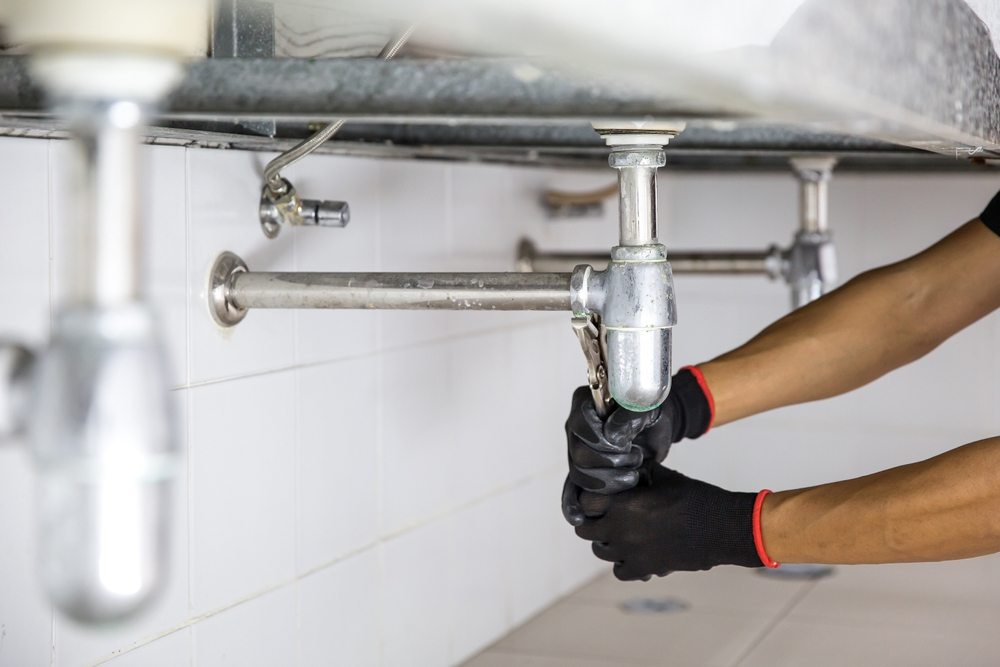
Right Solution Plumbing uses the latest technologies to repair pipes without extensive demolition. Techniques such as pipe lining and clamp repairs provide durable solutions that save time and cost.
Their team employs cameras and sensors for precise leak detection, which improves repair accuracy. High-quality materials and tested methods ensure long-term effectiveness and compliance with industry standards. This combination of skill and technology reduces disruption and speeds up restoration.
Preventing Future Water Pipe Problems
Regular care and attention can reduce the risk of pipe damage. Proper maintenance and insulation are key to avoiding costly repairs and interruptions.
Routine Maintenance Advice
You should schedule regular inspections to detect leaks, corrosion, or weak points early. Checking for moisture or mold near pipes can reveal hidden leaks. Flushing pipes annually helps clear sediment that may cause blockages or rust. Draining outdoor hoses and shutting off exterior faucets before winter prevents freezing damage.
Using strainers on drains reduces debris buildup. It’s important to monitor water pressure; pressure above 80 psi can weaken pipes. Installing a pressure regulator can protect plumbing systems. Recording maintenance activities and findings aids in tracking pipe health and planning repairs or replacements.
Pipe Insulation and Inspection Tips
Insulating exposed pipes with foam sleeves or fiberglass reduces heat loss and prevents freezing. Pipes in unheated areas, such as basements or attics, are especially vulnerable. You should inspect insulation integrity twice a year, replacing damaged or compressed sections immediately. Proper sealing around pipes entering walls or floors prevents cold air infiltration.
Regularly inspecting joints, valves, and fittings for signs of wear or moisture ensures early problem detection. Thermal imaging can help identify cold spots, indicating poor insulation or leaks. Keeping pipe insulation dry is crucial since wet materials lose effectiveness and can promote corrosion. Adding heat tape in very cold regions provides extra frost protection.
Back to Blog