
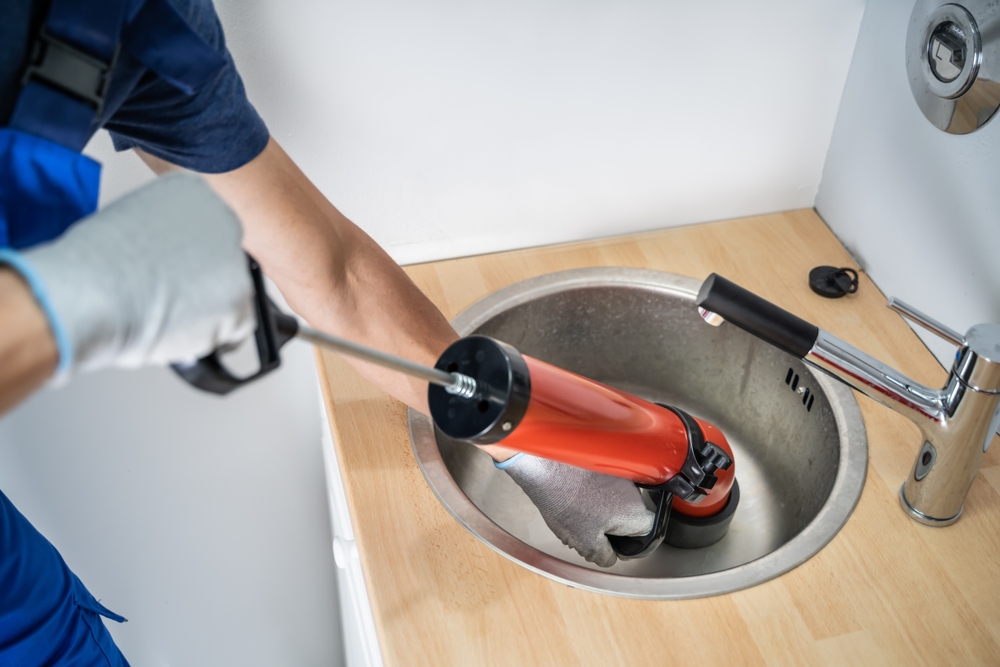
Clogs in the kitchen sink often happen because of food scraps, grease buildup, and fibrous materials trapped in the drain, especially when a garbage disposal is involved. These blockages can slow down water flow or cause unpleasant odors, making it important to address them safely and effectively.
The safest way to unclog a kitchen sink with a garbage disposal is to turn off the power, use a plunger or a tool like an Allen wrench to manually clear jams, and avoid harsh chemicals that can damage the disposal or pipes. Understanding why the clog happened helps prevent future issues.
Essential Safety Precautions Before Unclogging
Proper preparation is critical before addressing a clogged garbage disposal. Preventing electrical accidents and physical injuries is crucial for working effectively and safely on the unit.
Power Down the Garbage Disposal
Before attempting any unclogging, the garbage disposal must be completely powered off. Locate the power switch, usually found under the sink or near the countertop, and switch it off to stop the unit from running.
For added safety, unplug the unit from the electrical outlet if accessible. If the disposal is hardwired, turn off the corresponding circuit breaker in the home’s electrical panel. Double-check that the unit is not receiving power before starting any work.
Understand Potential Hazards
Garbage disposals contain sharp blades that can cause cuts even when the unit is off. Manual intervention inside the disposal requires caution and the use of appropriate tools like a wooden spoon or a wrench designed for the unit.
Electrical shock is another risk, especially if the unit is wet or power is not fully disconnected. Avoid touching electrical components with wet hands or tools. Wearing rubber gloves can provide added insulation during the process.
How to Unclog a Kitchen Sink With a Garbage Disposal Safely
To fix a clogged kitchen sink disposal, it is important to use the right tools and techniques carefully.
Use a Plunger on a Kitchen Sink
To start unclogging a kitchen sink with a garbage disposal, a plunger is an effective tool. For a single sink, fill the basin with enough water to cover the plunger’s cup. Seal the plunger tightly over the drain opening, then plunge with firm, consistent pressure.
In a dual sink setup, block the other drain opening with a wet cloth or stopper to prevent air escape. This creates enough suction to dislodge the clog. After several thrusts, check if the water drains properly. If it remains slow, repeat or move to the next method.
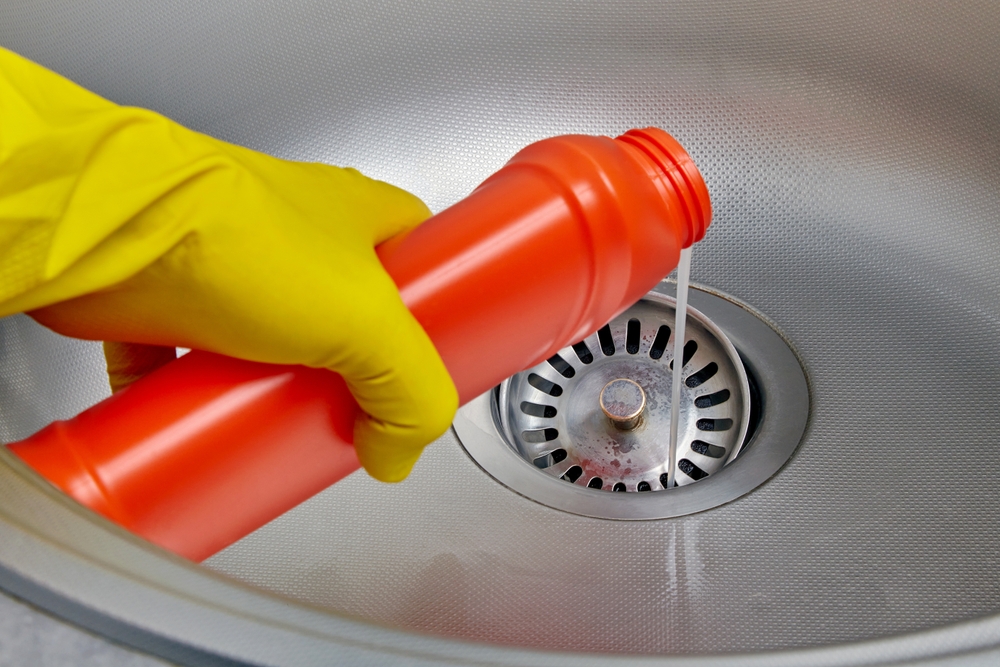
Never use excessive force, as it can damage plumbing seals. If standing water remains after several attempts, avoid pouring chemical drain cleaners; instead, try clearing the disposal unit manually.
Clear the Disposal Unit With an Allen Wrench
If plunging fails, the blockage may be within the disposal unit. First, turn off power to the disposal at the circuit breaker or unplug the unit to ensure safety. Locate the small hex-shaped hole at the bottom of the disposal; this is designed for an Allen wrench.
Insert the properly sized Allen wrench (usually 1/4 inch) into the hole. Turn it back and forth to manually rotate the motor and jar loose any jams inside. This method prevents damage compared to using metal tools inside the disposal chamber.
Once the wrench moves freely, restore power and run water while switching on the disposal for a few seconds. This should clear any loosened debris. If the clog remains, further plumbing inspection may be necessary.
Natural and Preventative Solutions for Clogs
Simple household items can help clear minor clogs without harsh chemicals. Regular maintenance prevents buildup and reduces the chance of blockages in your kitchen sink with a garbage disposal.
Vinegar and Baking Soda Method
This method uses a chemical reaction to break down debris. Start by pouring ½ cup of baking soda into the drain. Follow immediately with 1 cup of white vinegar.
Let the mixture fizz for about 15 minutes. Then, flush the drain with hot water to clear loosened particles. Avoid using this method too often, as excessive vinegar can damage pipes over time.
Flush With Hot Water
After applying unclogging methods, flushing with hot water helps remove loosened grease and food particles. Boil a kettle or pot of water and slowly pour it down the drain.
Repeat this process several times for thorough cleaning. Hot water assists in dissolving fats that solidify and cause clogs, improving the disposal’s flow.
Preventative Tips for Future Clogs
Prevent clogs by avoiding certain items in the disposal. Do not put fibrous vegetables, coffee grounds, grease, or starches down the drain. These tend to accumulate and block pipes.
Regularly run cold water with the disposal to solidify fats so they can be chopped and flushed away. Using vinegar and baking soda monthly also helps maintain clear pipes.
When to Seek Professional Help
If clearing a kitchen sink with a garbage disposal does not resolve the clog, or if signs of deeper plumbing issues appear, it is important to consider professional assistance.
Complex Drain Blockages
Persistent or severe sink clogs that resist simple methods often indicate blockages in the drain pipes beyond the disposal unit. These can include hardened grease, foreign objects, or buildup in the P-trap or main drain line. At this stage, attempting aggressive DIY fixes can worsen damage or cause leaks.
Signs that a clog needs professional attention include slow drainage affecting multiple fixtures, foul odors that do not dissipate, or repeated backups. Professionals use advanced tools such as motorized drain snakes and hydro-jetting to safely clear deep obstructions.
Overview of Right Solution Plumbing Services
Right Solution Plumbing offers a range of services for clogged drains and garbage disposal issues. This includes thorough drain cleaning, regular plumbing maintenance, and emergency plumbing solutions for urgent blockages or leaks. Their approach focuses on identifying and resolving underlying causes rather than temporary fixes.
In complex situations, Right Solution Plumbing can assess the entire drainage system and perform targeted repairs or replacements. Their service can include cleaning pipes, removing grease buildup, and installing or repairing disposal units.
Back to Blog