
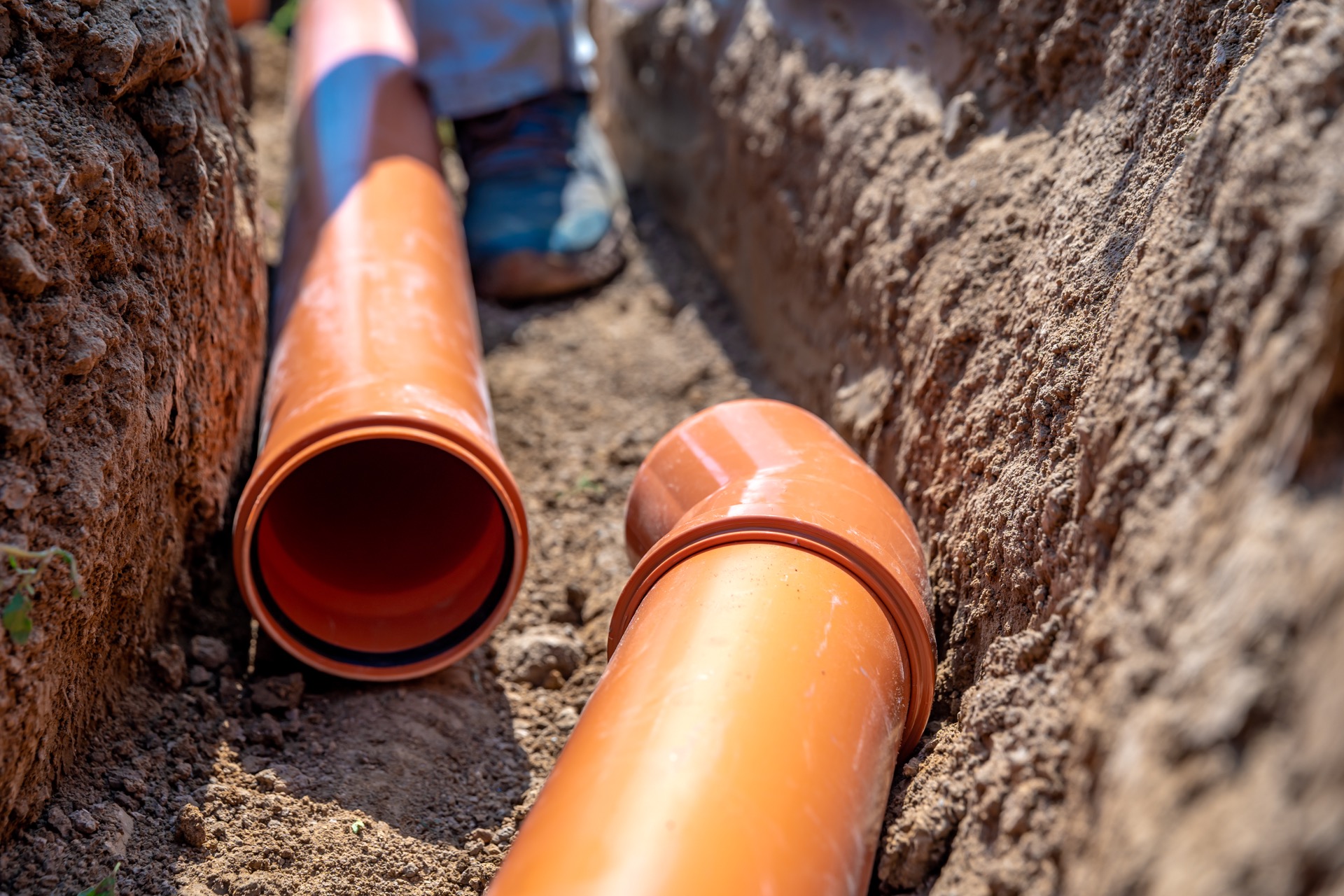
Pipe relining is a modern plumbing solution designed to repair damaged or leaking pipes without the need for extensive digging or replacement. It involves inserting a resin-coated liner inside the existing pipe, which hardens to form a new, durable pipe within the old one. This method offers a less invasive and often quicker alternative to traditional pipe replacement.
People searching for “pipe relining near me” are often drawn by its potential to save time and reduce disruption to their property. However, while pipe relining has clear advantages, it may not be suitable for all types of pipe damage or situations.
Understanding Pipe Relining
Pipe relining is a trenchless repair method that restores damaged pipes by creating a new pipe inside the old one. It avoids digging up the ground or walls, reducing disruption.
What Is Pipe Relining?
Pipe relining is a non-invasive plumbing pipe relining service designed to fix cracked, corroded, or leaking pipes without excavation. It inserts a resin-coated liner into the existing pipe, which hardens to form a seamless inner layer.
This method extends the lifespan of plumbing systems and can be applied to various pipe types, including sewage, stormwater, and potable water pipes. It is often chosen over traditional repair due to its speed and reduced mess.
How the Pipe Relining Process Works
First, the damaged pipe is inspected using CCTV cameras to assess the condition and unique features. Next, the pipe is cleaned thoroughly with high-pressure water jets to remove debris.
After cleaning, the technician inserts a flexible liner saturated with epoxy resin into the pipe through an access point. The liner is inflated to press it against the existing pipe walls, then cured using heat or UV light, forming a hard, corrosion-resistant, new pipe within the old one.
This trenchless pipe repair technique typically takes a few hours, depending on the pipe length and condition, restoring full functionality quickly.
Materials Used in Pipe Relining
The primary material is an epoxy resin that bonds to the old pipe’s interior, creating a strong and waterproof barrier. Some systems use polyurethane resins for increased flexibility and chemical resistance.
The liner itself consists of felt or fiberglass fabric, chosen for strength and the ability to absorb resin. Together, these materials ensure the relined pipe resists root intrusion, corrosion, and leaks.
Selecting the right materials depends on the specific pipe environment and the type of damage encountered during inspection.
Pros of Pipe Relining Services
Pipe relining offers a durable and cost-effective alternative to traditional pipe replacement. It reduces the need for excavation and limits damage to surrounding property, making it an attractive choice for many property owners.
Durability and Longevity
Relined pipes are coated with a resin that hardens into a seamless inner layer, creating a strong barrier resistant to corrosion and root intrusion. This method extends the life of existing pipes by 50 years or more, often outperforming conventional repairs.
This durability leads to fewer blockages and leaks over time, reducing maintenance costs. Additionally, because the lining bonds directly to the original pipe walls, it maintains full structural integrity without compromising water flow or pressure.
Minimal Disruption to Property
Pipe relining requires only small access points, avoiding the need to dig large trenches or remove landscaping. This minimizes damage to lawns, driveways, and floors, preventing costly repairs to the property afterward.
Installation is faster compared to full pipe replacement, often completing in a single day. This results in less inconvenience for residents or businesses, with little to no disruption to daily activities. Furthermore, the method produces less noise and mess, making it environmentally friendlier.
Cons and Limitations of Pipe Relining
Pipe relining is not suitable for every situation and comes with certain risks and challenges. Understanding these factors can help in deciding if this method fits a specific plumbing issue.
Potential Challenges and Risks
Pipe relining requires the existing pipe to be structurally intact enough to support the liner. Significant collapses or large cracks may prevent proper application, leading to possible failure. The curing process needs precise temperature and humidity control. Poor conditions can cause incomplete hardness, reducing the liner’s lifespan.
Some relining materials may emit odors during installation, which can be unpleasant for occupants. Additionally, improper installation can cause liner wrinkles or bubbles, which affect flow and durability.
Cost can also be a factor. While less invasive than replacement, relining may be more expensive upfront than simple repairs, especially if multiple sections must be treated.
Situations Where Pipe Relining Is Not Recommended
- Pipe relining is less effective in pipes with roots or major blockages. If roots have penetrated deeply, mechanical removal and replacement might be required.
- Pipes with offsets or severe bends can be problematic, as liners may not conform properly, causing gaps or weak spots.
- Large-diameter pipes often require specialized equipment and materials, making relining less practical or more costly.
- Pipes with poor access points might complicate the insertion and curing of liners, limiting its application.
Selecting the Right Local Pipe Relining Service
Choosing a pipe relining service requires attention to experience, technology, and customer support. Local professionals offer faster response times and tailored solutions.
Key Factors to Consider
Experience in pipe relining is critical. The service should have a track record of successful repairs in similar pipe systems. Check licenses and insurance to ensure legitimacy.
Technology also matters. Services using latest techniques, such as cured-in-place pipe (CIPP) lining and robotic inspection, provide more durable repairs. Transparent pricing and clear communication avoid unexpected costs.
Customer reviews and local reputation provide insights into reliability. Opt for companies offering detailed assessments and warranties.
How Right Solution Plumbing Approaches Pipe Relining
Right Solution Plumbing uses a step-by-step process starting with a thorough pipe inspection using CCTV cameras. This precise diagnosis identifies problem areas without digging trenches.
They employ modern technologies like CIPP lining for non-invasive repairs that extend pipe life by decades. The team provides a clear quote and timeline upfront.
Throughout the process, Right Solution Plumbing emphasizes efficiency and minimal disruption. They finish with a quality check to confirm repair success and offer a warranty covering workmanship.
Back to Blog