
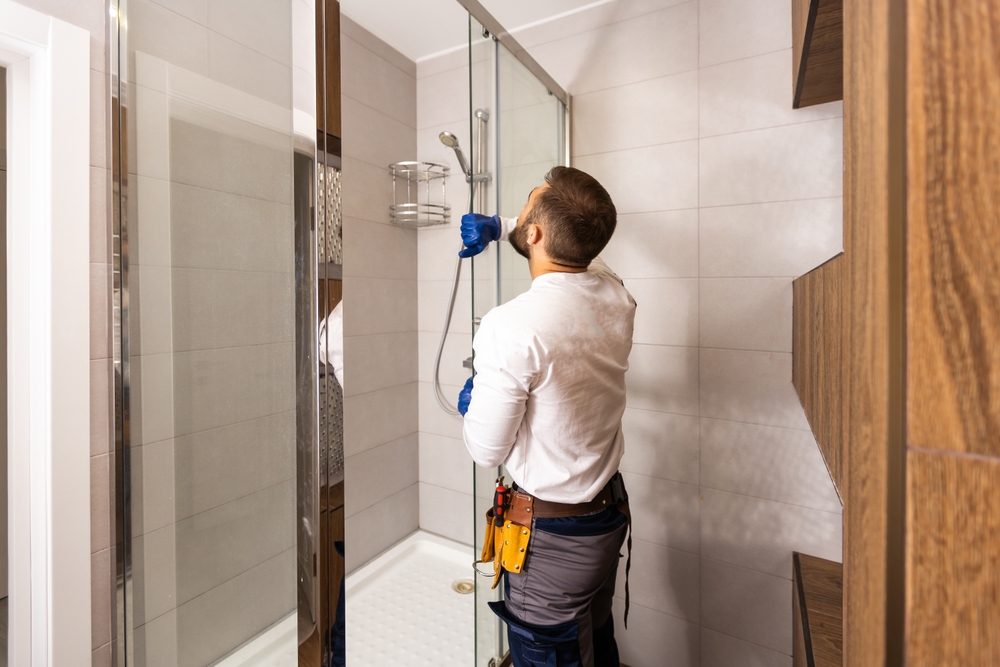
If your shower is experiencing temperature fluctuations, leaks, or reduced water flow, the issue often lies with a faulty valve. Replacing or repairing your shower valve is a straightforward way to restore consistent water temperature and prevent further damage to your plumbing system. With the right tools and a clear understanding of the process, you can tackle this common home maintenance task yourself.
You don’t always need to remove your bathroom wall to replace a shower valve, which can make the job less intimidating. This guide walks you through diagnosing common problems, deciding whether to repair or replace the valve, and completing the necessary steps to get your shower working properly again. Taking control of this repair can save you money and avoid unnecessary service calls.
Understanding Faulty Shower Valves
Common Signs of Valve Failure
You might experience inconsistent water temperature, such as sudden hot or cold bursts, which often indicate a faulty valve cartridge or buildup inside the valve. Leaks are also common—water dripping from the valve when the shower is off can signal worn seals or deteriorated internal parts.
Low water pressure during showers may result from sediment clogging the valve or internal damage restricting flow. If your shower valve makes noises like banging or rattling, it could be related to water hammer or loose components. These signs usually suggest immediate maintenance is needed to prevent further damage or safety risks like scalding.
Effects on Household Water Systems
A malfunctioning shower valve can cause uneven water distribution in your plumbing system. Leaks increase water waste, leading to higher water bills and potential damage to walls and floors if left unchecked. Sediment buildup inside the valve can reduce overall water pressure, affecting other fixtures in your home.
If the valve fails to regulate temperature correctly, your hot water system may overwork, wasting energy. Additionally, corrosion or mineral deposits within the valve can spread into visible pipes, increasing long-term repair costs. Proper maintenance or timely replacement of the valve helps maintain the efficiency and safety of your household water system.
Repair or Replace: Making the Right Choice
When to Repair
You should consider repairing your shower valve if the problem is isolated to worn or damaged components such as cartridges, O-rings, washers, or seals. These parts frequently wear out over time and can often be replaced without removing the entire valve body.
If you have easy access behind the shower wall, such as an access panel, repairs become more straightforward and less invasive. Repairing is usually more cost-effective and quicker when the valve body and internal plumbing remain in good condition.
Additionally, if your shower valve produces inconsistent water temperature or minor leaks traced to replaceable parts, repair can restore performance without the cost of replacement.
Signs That Replacement Is Necessary
You should replace your shower valve if repairs have been attempted multiple times without resolving recurring issues. A valve that leaks persistently or causes sudden water temperature changes despite repairs indicates deeper mechanical failure.
Corrosion, mineral buildup, or cracks in the valve body often necessitate replacement, as these damage types cannot be fixed with parts swaps alone. Pressure-balancing or thermostatic valves with extensive wear usually require professional replacement due to their complex design.
Also, if your valve is outdated or incompatible with newer fixtures and water-saving technologies, replacing it can improve performance and safety. Replacement is advisable when your shower valve compromises comfort, water pressure, or poses risks like scalding.
Step-by-Step Shower Valve Repair Process
Essential Tools and Materials
You need specific tools to complete a shower valve repair effectively. Prepare a screwdriver set, adjustable wrench, hex keys, and pliers. A utility knife helps with cutting seals or caulking.
Gather replacement parts such as valve cartridges or seals that match your valve model. Use plumber’s grease to lubricate moving parts and Teflon tape to seal threaded connections.
A bucket and rags will assist with water cleanup. Also, shut off your home’s main water supply before starting to avoid flooding.
Troubleshooting and Diagnosis
Start by identifying the symptoms: dripping, inconsistent temperature, or low water pressure point to valve issues.
Remove the handle and trim plate to inspect the cartridge. Look for mineral buildup, corrosion, or damage. If the valve leaks, replacing the cartridge often solves the problem.
Check for worn or damaged seals, which can cause leaks or drips. You may need to test the water pressure to rule out broader plumbing issues.
Repair Procedures
- First, turn off the water supply and drain the lines by opening the faucet. Unscrew and remove the handle and trim plate carefully.
- Next, extract the faulty cartridge using pliers or a cartridge puller. Inspect it against the new one to ensure proper replacement.
- Apply plumber’s grease to the new cartridge and insert it into the valve body. Secure it with retaining clips or screws, then reinstall the trim plate and handle.
- Turn the water back on and test for leaks and proper temperature control. Adjust as needed to ensure smooth operation.
Preventative Maintenance and Professional Support
Maintenance Practices for Shower Valves
Regular cleaning of your shower valve prevents buildup from hard water and minerals. Use a soft cloth and gentle cleaner to wipe the valve trim every few weeks. Checking for drips or temperature inconsistencies can catch early signs of valve failure.
Lubricate valve stems annually with plumber’s grease to keep parts moving smoothly. Replace worn-out washers or cartridges before leaks start. Keeping the water pressure between 40-60 psi reduces valve strain and prolongs its life. A simple checklist helps:
- Clean the valve exterior monthly
- Inspect stems and cartridges bi-annually
- Monitor the water pressure regularly
- Address minor leaks immediately
Mistakes to Avoid
Avoid using harsh chemicals or abrasive tools that can damage valve components. Ignoring small leaks or unusual noises allows problems to worsen over time. Do not attempt complicated valve repairs without proper knowledge; this can cause further damage or contamination.
Turning the valve handle too forcefully wears internal parts quickly. Skipping regular inspections increases the risk of sudden failure. Also, failing to flush out mineral deposits in systems with hard water causes valves to stick. These common errors can shorten the valve’s lifespan significantly.
Benefits of Choosing Right Solution Plumbing
By selecting Right Solution Plumbing for your shower valve needs, you choose expertise and reliability. Their technicians use industry-approved methods to diagnose and fix valve problems efficiently. They ensure all parts meet manufacturer standards, avoiding temporary fixes.
Their service minimizes disruption and delivers lasting repairs that reduce repeat visits. Transparent pricing means no surprises. You gain peace of mind knowing your shower valve will function consistently and safely. Their team also provides tailored maintenance advice specific to your home’s water quality and usage.
Their Client-Focused Approach
Right Solution Plumbing places your needs at the center of every service. From the initial call to project completion, clear communication guides you through each step. They will listen carefully to your concerns, provide straightforward explanations, and respect your time.
Their attention to detail ensures thorough inspections and precise repairs and they prioritize safety and cleanliness during their work. After service, they offer follow-up support and tips for maintaining your valve’s condition. You receive personalized care, reliable results, and a service experience built around your satisfaction.
Back to Blog