
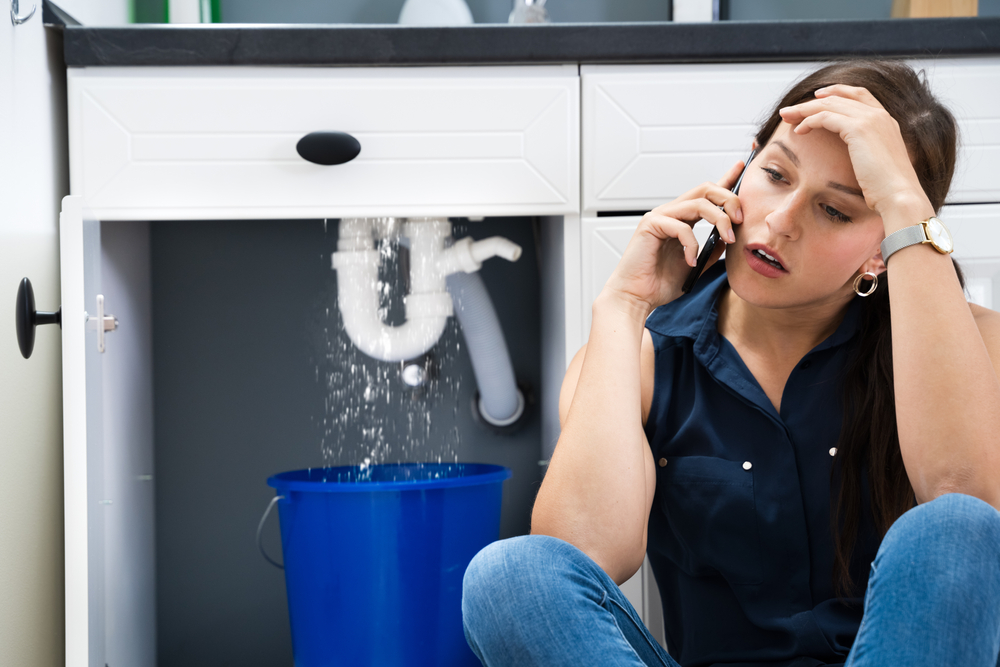
If you notice unusually high water bills or damp spots in your home, you might have a hidden leak that requires specialist attention. Leak detection services use advanced technology to find water leaks without unnecessary digging or damage to your property. Specialist leak detection helps you identify and fix leaks early, preventing costly repairs and water waste.
Understanding Specialist Leak Detection Services
What Defines Specialist Leak Detection
Specialist leak detection uses advanced tools and experienced technicians to identify leaks without causing unnecessary damage. Unlike basic plumbing checks, this service involves non-invasive technology such as acoustic sensors, infrared cameras, and moisture meters. These tools can find leaks even behind walls, under slabs, or beneath floors.
The goal is to locate leaks accurately before any destructive excavation takes place. This reduces repair costs and stops water damage early. Technicians trained in specialist leak detection can differentiate between various leak types and suggest the most efficient repair method.
Common Areas Vulnerable to Leaks
Leaks often occur in areas with dense plumbing or exposure to moisture. Key locations include:
- Kitchens: Under sinks, near dishwashers, and behind refrigerators with water lines
- Bathrooms: Around toilets, showers, bathtubs, and vanity sinks
- Basements and slabs: Where pipes run beneath concrete floors, posing a risk of slab leaks
You should be alert if you notice signs such as damp spots, mold growth, or unusual water bills. Specialist services focus on these vulnerable zones with targeted detection to avoid extensive water damage or structural issues.
Benefits of Professional Leak Detection
Choosing a specialist like Right Solution Plumbing for leak detection provides clear advantages:
- Accurate identification of leaks using state-of-the-art technology
- Minimally invasive methods that protect your property’s structure
- Early detection that prevents costly water damage and mold
- Expert advice on repair options tailored to your specific situation
- Reliable and timely service, ensuring peace of mind
Advanced Leak Detection Techniques and Technologies
Traditional vs. Modern Leak Detection Methods
Traditional leak detection often involved basic visual inspections and listening for water sounds with simple tools. These methods have limitations, especially with hidden or underground leaks that are difficult to access. They can be time-consuming and often lead to unnecessary wall or floor damage during inspection.
Modern methods focus on non-invasive techniques that use sophisticated technologies to pinpoint leaks precisely. These include acoustic sensors that detect sound waves from escaping water, and tracer gas that reveals leaks by escaping from pipelines and surfaces where water is hidden.
Modern methods reduce guesswork and repair disruption. You save time and money by addressing the exact leak location without unnecessary excavation or damage.
Innovative Tools Utilized by Right Solution Plumbing
Right Solution Plumbing employs a range of advanced tools designed to detect leaks with minimal disturbance to your property. They use acoustic listening devices that amplify sounds in pipes, allowing their specialists to identify leaks hidden under concrete or underground.
Additionally, tracer gas equipment is used to inject harmless gases into plumbing that escape only where leaks exist, making detection safe and precise. Infrared thermal imaging is another tool in their approach, detecting temperature differences caused by moisture beneath surfaces like walls or floors.
These tools help Right Solution Plumbing provide timely and accurate leak detection across residential and commercial properties, helping you avoid extensive property damage or water waste.
Technological Advancements in Leak Detection
Technological progress has introduced several powerful advancements that improve leak detection accuracy and efficiency. High-resolution video pipe inspections enable you to see inside pipes in real-time, identifying cracks or breaks visually.
State-of-the-art acoustic sensors now incorporate digital processing that reduces background noise, giving clearer leak signals. Additionally, smart water sensors and IoT devices monitor water flow and pressure continuously, alerting you early to abnormal changes before leaks escalate.
Using these advancements, you gain access to more precise, less invasive inspections. This protects your property and helps maintain system integrity long term.
Process of Conducting a Leak Detection Service Call
Initial Assessment and Diagnostics
When the technician arrives, the first step is a careful evaluation of your property. They will ask questions about any visible signs of leaks, unusual water bills, or water damage you’ve noticed.
Next, a pressure test is often conducted to verify if a leak exists. This test helps determine changes in water pressure that suggest water loss within your system.
Advanced tools like moisture meters, thermal cameras, or acoustic sensors may be used early in the process. These diagnostic instruments can detect moisture levels or sound waves created by escaping water, allowing the technician to pinpoint trouble areas without unnecessary disruption.
Step-by-Step Inspection Procedure
Once initial diagnostics confirm a leak, the technician conducts a thorough physical inspection. This includes checking accessible pipes, faucets, irrigation systems, foundations, and walls for hidden leaks. They often use acoustic leak detection devices, which detect the sound of water escaping from pipes. These devices can identify leaks behind walls or underground without intrusive measures.
Other techniques may include infrared thermography to detect temperature changes caused by leaking water and video sewer inspection to assess sewer line integrity. During this step, the technician documents all observations carefully to determine the leak’s exact location and potential source.
Delivering Results and Recommended Actions
After identifying the leak’s exact position, the technician presents you with clear findings. They will explain the severity and possible causes in straightforward terms.
You will receive recommendations on repair options or preventative measures tailored to your situation. This may involve fixing the affected pipe, replacing components, or improving overall system maintenance.
The goal is to provide cost-effective solutions that minimize further damage and prevent recurring leaks. The technician may also advise on monitoring your system to catch future leaks early.
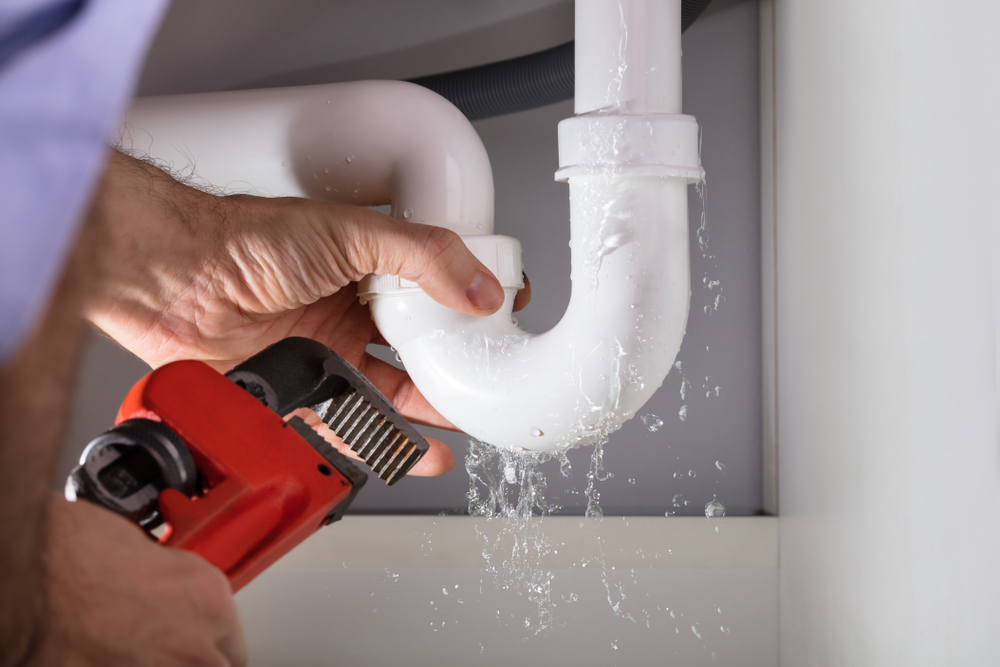
Preventive Measures and Long-Term Maintenance
Routine Maintenance Tips for Homeowners
- Schedule annual inspections to check pipes, drains, and water pressure. A professional plumber can spot corrosion, weak joints, or faulty seals before they worsen.
- Regularly clean drains to prevent clogs that increase pressure and strain pipes. Avoid pouring grease or heavy debris down drains.
- Check visible pipes periodically for damp spots, discoloration, or mold. Tighten or replace loose fittings and valves as needed.
- Install water sensors near vulnerable areas like basements or under sinks. These devices alert you early to leaks before they grow.
Early Signs of Potential Leaks
- Listen for persistent dripping or running water sounds when all faucets are off. This could indicate a hidden leak.
- Check your water meter for unusual usage spikes. A steady increase without reason can signal unseen leaks.
- Look for water stains or bubbling paint on walls and ceilings. These often show where moisture has seeped behind surfaces.
- You might notice musty odors or an unexplained increase in your water bill. Both can be signs of slow leaks.
Strategies to Minimize Leak Risks
- Use corrosion-resistant pipes like PEX or copper where possible. They reduce the chance of pipe decay over time.
- Maintain consistent water pressure between 40-60 psi to avoid stress on your plumbing system. High pressure can cause leaks or bursts.
- Insulate vulnerable pipes, especially in colder climates, to prevent freezing and cracking.
- Avoid DIY repairs beyond simple tasks. Professional inspections and repairs ensure lasting solutions and protect your home’s integrity.