
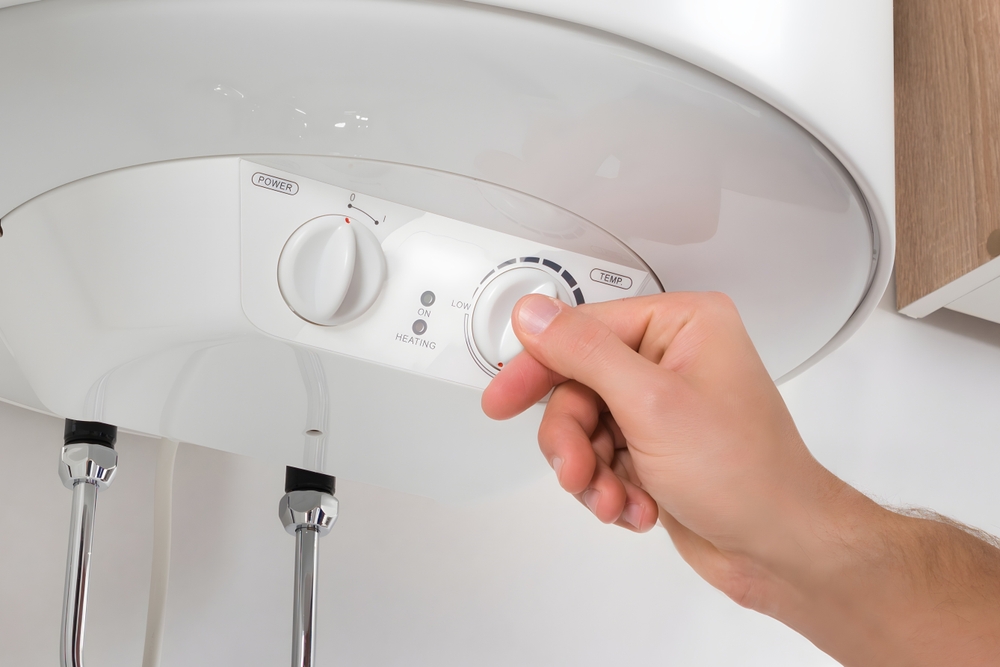
If your hot water heater is leaking, you need a quick and practical way to minimize damage until you can get it properly repaired. A temporary fix involves reducing the water heater’s temperature, draining some water from the tank, and catching drips with a bucket or pan. These simple steps can help prevent further water damage while you arrange for professional service.
Identifying the Source of Your Leaking Hot Water Heater
Common Causes of Hot Water Heater Leaks
Leaks often come from worn-out components. Common causes include a faulty temperature and pressure relief valve, a corroded tank, loose pipe connections, or a broken drain valve.
Sediment buildup inside the tank can cause damage and lead to leaks over time. Rust or corrosion on the tank surface or plumbing fittings may also show signs of potential failure.
Pay special attention to the water inlet and outlet pipes, as these connections can loosen or crack. Sometimes the leak is from internal components, which may require professional assessment.
How to Pinpoint the Leak Location
Start by inspecting the area around the base of your water heater for pooling water or wet spots on the floor. Use a flashlight to check for drips on pipes, valves, or the tank surface.
Touch the pipes and valve joints carefully to identify moist or wet spots. Look behind and underneath the heater to catch hidden leaks.
You can tighten loose connections using a wrench if the leak is coming from pipe joints. If water drips directly from the tank itself, pinpoint the exact location on the tank surface.
Assessing the Severity of the Leak
Small drips around pipe joints are usually easier to fix temporarily. Check if the leak increases when the heater is running or if the drip is steady.
A leaking tank or valve that releases constant water is more severe and can cause water damage quickly. If you see rust or large wet patches on the tank surface or the floor, the issue needs prompt attention.
Use a bucket to catch water if the leak is slow and plan for a professional inspection if the leak worsens or if water pools consistently.
Safety Precautions Before Attempting Repairs
How to Turn Off Power and Water Supply
First, locate the power source to your water heater. For electric heaters, find the circuit breaker in your electrical panel labeled for the water heater and switch it off. For gas units, turn off the gas supply valve near the heater.
Next, shut off the cold water supply valve feeding the heater. This valve is usually on top of or near the unit. Closing it stops more water from leaking and reduces pressure inside the tank, helping prevent further damage.
Drain some water from the tank through the drain valve at the bottom if necessary. Place a bucket under the valve to catch water and avoid spills on your floor.
Personal Protective Equipment
Wear sturdy gloves to protect your hands from sharp edges and hot surfaces around the heater. Use safety goggles to shield your eyes from splashes or debris. Consider wearing long sleeves and pants to reduce skin exposure to hot water or chemicals used for temporary sealing. Non-slip footwear is important since water leaks create slippery surfaces.
Ensure your clothing fits well to avoid catching on pipes or valves during repair attempts. A headlamp or flashlight can improve visibility in dim spaces.
Preventing Electrical Hazards
- Always confirm the power is fully off before touching any wiring or electrical components. Use a non-contact voltage tester to verify no current is present near the water heater.
- Never attempt repairs on the electric heater if water is pooling around it; dry the area thoroughly first. Water and electricity can cause severe shocks or fire risks.
- Avoid standing in water when working on the heater’s electrical parts. Shut off the main electrical supply if needed until the leak is controlled.
- Maintain clear access to the electric panel in case you need to cut power immediately during repair. Ensuring these precautions protects you from unintended electrical incidents.
Step-by-Step Temporary Fixes for Hot Water Heater Leaks
Shutting Off the Water and Draining the Heater
First, locate your home’s main water shutoff valve and turn it off to stop the water supply to the heater. This prevents further leakage and potential flooding.
Next, drain the water heater to relieve pressure and avoid spills while working. Connect a garden hose to the drain valve at the bottom of the tank, directing the other end to a suitable drainage area.
Open a hot water faucet in your home to allow air into the system, which helps the tank drain faster. Be careful as some water will be hot. Once drained, close the drain valve and prepare to inspect the heater for leaks.
Sealing Small Leaks and Temporary Patching
For minor leaks, start by drying the affected area thoroughly with a cloth. Use waterproof tape or pipe repair tape to wrap around the leaking pipe or tank area. Wrap tightly and overlap each layer to ensure the seal holds temporarily.
If the leak is from a small hole or crack in the tank, apply a pipe sealant or epoxy putty designed for water heaters. Follow the product instructions, usually involving pressing the putty over the leak and allowing it to cure for several hours.
These fixes are temporary and meant to buy you time. Avoid turning the heater back on until the sealant or tape has fully set to prevent worsening the leak.
Dealing With Leaking Connections and Valves
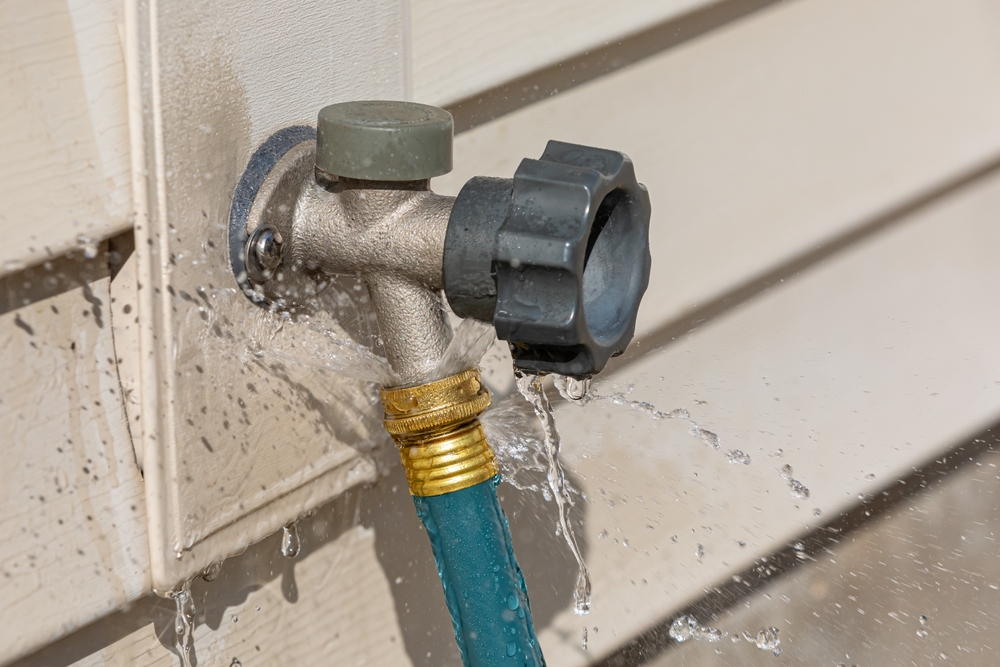
Leaks often occur at pipe connections, valves, or fittings. Start by tightening loose fittings using an adjustable wrench. Do not overtighten, as this can cause damage.
If tightening does not stop the leak, apply pipe thread sealant or plumber’s tape (Teflon tape) to the threaded connections. Remove the fitting, wrap tape clockwise around the threads 3-5 times, then reinstall securely.
Check the temperature and pressure relief valve for leaks. If this valve is the source, it may need replacement or tightening. Do not attempt long-term repair on this valve—call a professional if it continues leaking.
Monitoring for Recurring Leaks After Repair
After completing temporary fixes, turn the water supply back on slowly, checking the repaired areas closely for signs of leaking.
Run hot water from a faucet to ensure pressure builds without leaks. Check each patch and connection periodically over the next few hours and days.
If any leaks reappear or worsen, turn off the water immediately and contact a professional plumber. Temporary fixes are not permanent and a timely professional repair is essential to avoid serious damage.
When to Call a Professional
Signs You Need a Plumbing Service
You should contact a plumbing service when leaks worsen or become persistent, especially if you notice water pooling around the base of the heater. Unusual noises such as banging or hissing, or the smell of gas, are serious warning signs that require immediate professional attention.
If you see rusty water or sediment, it may indicate internal corrosion, which a plumber can assess. Also, if your temporary fixes don’t stop the leak quickly, a professional repair is necessary to prevent further damage to your home.
How Right Solution Plumbing Can Help
Right Solution Plumbing offers expertise in identifying the root causes of water heater leaks. They provide thorough inspections to pinpoint damaged valves, faulty tanks, or compromised pipes. With specialized tools and skills, they can perform repairs that temporary fixes cannot address.
They also offer replacement services when repairs are no longer feasible, ensuring your heater operates safely and efficiently. Quick response times and professional workmanship help minimize water damage and restore your hot water system promptly.
Back to Blog