
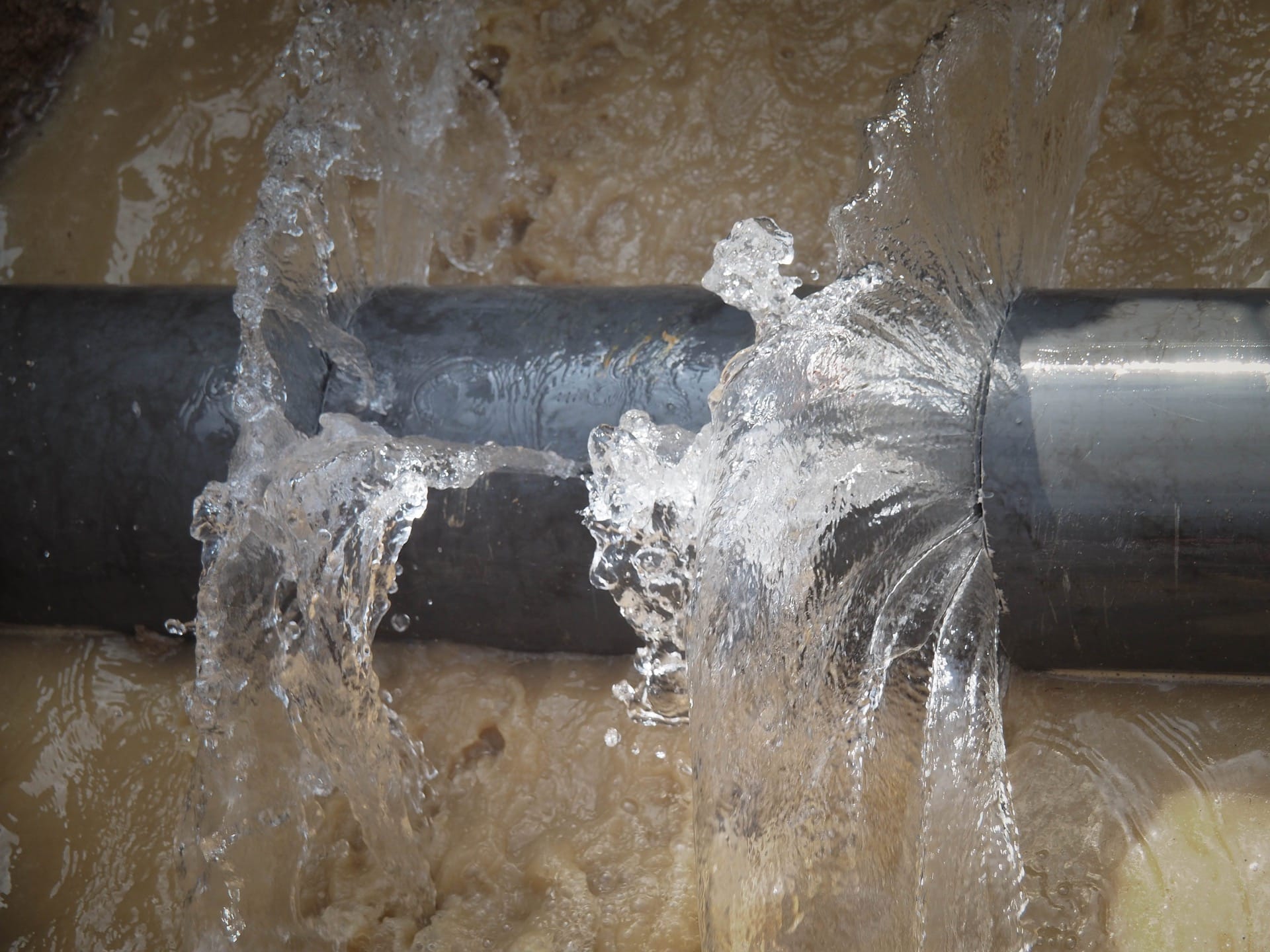
Underground leaks can cause significant damage if left undetected, impacting both your property and water bills. To accurately find these hidden issues, you need reliable tools designed for different environments and pipe materials. The best tools for underground leak detection include acoustic sensors, ultrasonic detectors, thermal cameras, and advanced probes that pinpoint leaks quickly without excavation.
Each tool offers unique advantages depending on your specific needs, whether you’re dealing with water pipes beneath concrete, soil, or steel structures. Using the right technology helps you save time, reduce repair costs, and avoid unnecessary property disruption.
Understanding Underground Leak Detection
What Is Underground Leak Detection?
Underground leak detection involves locating hidden leaks in buried pipes or water lines. These leaks are not visible, making detection essential to prevent unnoticed water loss and damage.
Technologies like acoustic sensors, ground-penetrating radar (GPR), and soil probes are used to pinpoint leak locations. The goal is to accurately and quickly identify leaks without unnecessary digging or damage.
This process helps maintain your plumbing system’s integrity and ensures efficient water use by catching leaks early.
Common Causes of Underground Leaks
Leaks underground often result from pipe corrosion or natural wear over time. Soil shifting, caused by weather changes or construction, can also damage pipes. Other common causes include tree root intrusion and freezing temperatures, which crack or displace pipes. Poor installation or aging infrastructure may further increase your risk.
Understanding these causes helps you focus inspections on vulnerable areas to prevent leaks before they escalate.
How to Identify Signs of Leaks?
Pay attention if your water bill suddenly rises without a change in usage. Moist, soggy spots in your yard or water pooling can indicate underground leaks. You may notice unusually lush patches of grass growing where they shouldn’t be, or hear the sound of running water beneath the surface.
Regularly inspect for these signs to initiate leak detection early, minimizing damage and repair costs.
Benefits of Prompt Leak Detection
Acting quickly helps you prevent costly structural damage to your property, including foundation issues caused by persistent moisture. Early leak detection saves water and lowers your bills, contributing to conservation efforts and reducing environmental impact.
You protect your investment and maintain the safety of your plumbing system by addressing leaks before they worsen.
Top Tools and Methods for Underground Leak Detection
Acoustic Listening Devices
Acoustic listening devices amplify the sound of water escaping from a pipe under pressure. You place specialized headphones or ground microphones on the surface to detect leak noises. These devices work well for pinpointing leaks in metal and plastic pipes in quiet environments.
Technicians use ultrasonic sensors combined with traditional listening sticks to enhance detection accuracy. The devices are highly portable and non-invasive, allowing them to test large areas quickly. However, background noise and soil composition can affect their reliability, so interpretation requires experience.

Tracer Gas Detection Method
Tracer gas detection involves introducing a safe gas, such as a mixture of hydrogen and nitrogen, into the pipeline. The gas escapes through any leaks and rises through the soil, where experts scan with a gas detector above ground to locate the exact leak position.
This method excels at detecting small leaks or leaks in difficult-to-access underground pipes. It is particularly effective when acoustic methods fail due to noise or pipe material. The tracer gas is non-toxic and safe, but this technique requires sealing off the system and time for gas dispersion.
Implementation of Detection Technology
Technicians must combine various technologies depending on the situation. Acoustic devices can provide a quick initial assessment, while tracer gas methods offer more pinpoint accuracy for stubborn leaks. Ground-penetrating radar (GPR) and thermal imaging cameras complement these by visually identifying pipe anomalies and water presence.
Integrating digital record-keeping and GPS can help track leak locations for future reference and repair. You’ll find that using layered detection reduces guesswork and unnecessary digging, saving you time and money in repairs.
Methods Utilized by Right Solution Plumbing
Right Solution Plumbing employs a blend of acoustic detection and tracer gas testing to ensure a thorough investigation. Their technicians begin with acoustic listening devices for rapid leak indication. If needed, they deploy tracer gas methods for precise leak pinpointing.
The company also uses modern technology like thermal cameras and soil probes to verify leak presence and depth. Their approach minimizes property disruption by combining non-destructive tools, customized to each client’s pipeline material and site conditions. This methodical use of technology enhances detection speed and repair accuracy.
Process and Solutions for Effective Leak Detection
Initial Assessment and Diagnosis
The first step involves a thorough inspection using advanced equipment such as acoustic sensors, ground microphones, or infrared cameras. These tools help pinpoint the exact leak location without unnecessary digging.
Technicians from Right Solution Plumbing begin by surveying your distribution system. They listen for distinct leak sounds generated by pressurized water escaping pipes. This method limits disruption and improves accuracy.
The initial assessment also includes reviewing your plumbing layout and pressure patterns. This provides insights into potential weak points and helps determine how extensive the leak might be.
Comprehensive Repair and Maintenance Solutions
Once the leak is located, you’ll receive repair options tailored to the specific issue. These often range from pipe patching and joint sealing to full pipe replacement, depending on damage severity.
Right Solution Plumbing recommends targeted repairs to minimize excavation and reduce costs. They also suggest routine maintenance checks to prevent future leaks, such as pressure tests and pipe condition monitoring.
Regular upkeep, including flushing your system and inspecting fittings, supports leak prevention and prolongs the life of your underground piping. Proactive maintenance often saves money and reduces emergency repairs.
What Happens After a Leak Is Detected?
After detection, immediate containment measures prevent water loss and property damage. You’ll receive a detailed report outlining the leak’s location, cause, and repair plan.
Technicians then coordinate repair work efficiently, aiming for minimal disruption. Post-repair, testing ensures the leak is fully resolved and the system is functioning properly.
Right Solution Plumbing may also install monitoring devices for early warning in the future. This continuous surveillance helps identify leaks before they escalate into major issues.
Back to Blog