
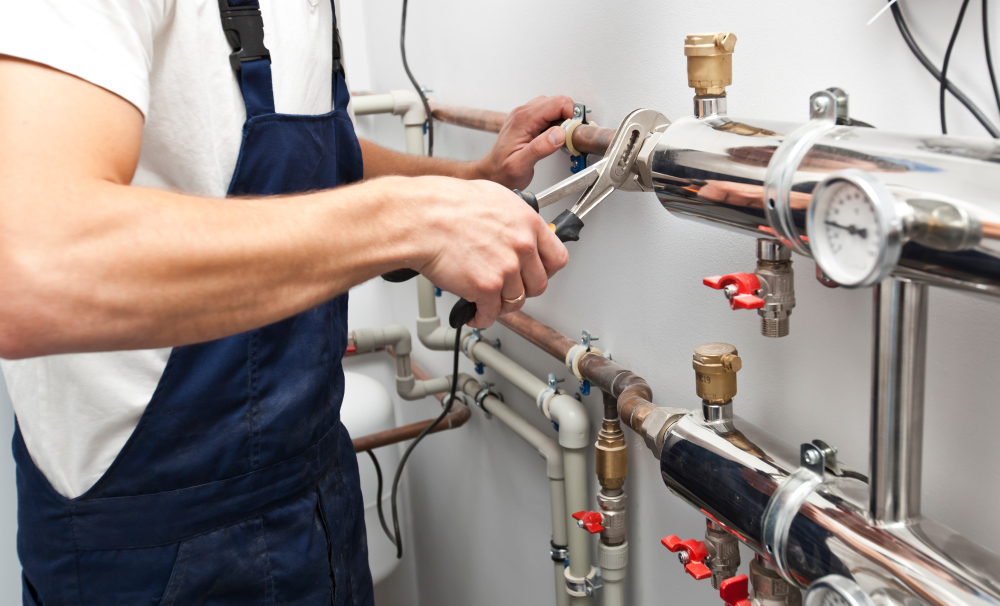
Tankless water heaters have become a practical choice for many modern homes due to their efficient and space-saving design. Unlike traditional water heaters, these systems heat water only when needed, eliminating the need for bulky storage tanks. The main advantage of tankless water heaters is their ability to provide a continuous supply of hot water while using less energy than conventional units.
Understanding Tankless Water Heaters
Tankless water heaters provide hot water on demand by heating it as it flows through the unit. They differ significantly in design and operation from traditional tank systems, offering several practical advantages that affect installation, energy use, and ongoing costs.
How Tankless Water Heaters Work
Tankless water heaters, also known as on-demand heaters, heat water directly without storing it. When a hot water tap opens, cold water travels through a heating element or gas burner inside the unit. This heats water instantly as it flows out, eliminating the need for a storage tank.
The unit powers on only during water use, which reduces energy waste associated with keeping stored water hot. Flow sensors and thermostats regulate temperature and ensure consistent delivery.
Differences Between Tankless and Traditional Water Heaters
Traditional water heaters store a fixed amount of hot water, usually 40 to 60 gallons, in an insulated tank. This stored water is heated continuously to maintain temperature, leading to standby heat loss. Once the tank’s hot water is depleted, there is a delay while the tank refills and reheats.
Tankless models do not rely on storage. They provide unlimited hot water as long as the demand does not exceed the unit’s flow capacity, usually measured in gallons per minute (GPM). They are much smaller, mounting on walls and saving space.
Traditional systems often have a lifespan of 10-15 years, while tankless heaters typically last 20 years or more with proper maintenance.
Key Advantages: Energy Efficiency and Cost Savings
Tankless water heaters are more energy efficient because they eliminate standby heat loss. This can reduce energy consumption by up to 34% compared to traditional tanks, depending on household usage.
Lower energy use translates to reduced monthly utility bills. Though tankless units tend to have higher upfront costs and installation complexity, their longer lifespan can offset these expenses.
Additional benefits include a constant supply of hot water, which is useful for large families or long showers. Their compact design frees up space in utility areas. Moreover, tankless systems reduce environmental impact by lowering overall energy demand.
Professional Tankless Water Heater Installation
Installing a tankless water heater involves precise steps, technical knowledge, and careful selection of the right unit.
Step-by-Step Installation Process
The installation begins by assessing the home’s existing plumbing and electrical systems. This determines if upgrades, such as larger gas lines or electrical circuits, are necessary.
Next, the old water heater system is disconnected and removed. The tankless unit is then mounted in a suitable location, usually near water lines, power sources, and ventilation if required.
A professional installer will verify pressure, flow rate, and system settings.
Technical Considerations for Installation
A tankless water heater requires specific plumbing and electrical configurations to function safely and effectively. Homeowners must consider the unit’s flow rate capacity to meet their household demands.
Electrical supply or gas line sizes often need upgrading to match the energy requirements of the tankless system. Venting is critical for gas models; improper installation can cause harmful gas buildup.
Professional installers, such as Right Solution Plumbing, bring the necessary expertise to address these complex factors.
Right Solution Plumbing’s Expert Services
Right Solution Plumbing offers professional tankless water heater installation and maintenance with a focus on quality and efficiency.
Customer Service and Satisfaction
Right Solution Plumbing prioritizes clear communication and transparency throughout the installation process. Their technicians listen carefully to customer needs and explain each step, including any adjustments required for plumbing or electrical connections. This ensures customers understand the work and feel confident in the results.
The team is punctual and respects the customer’s property, minimizing disruption. Post-installation, they provide guidance on system use and maintenance, increasing equipment longevity. Right Solution Plumbing also offers prompt responses to service inquiries and follows up for satisfaction, building trust and long-term relationships.
Comprehensive Water Heater Solutions
Right Solution Plumbing covers all aspects of tankless water heater service, from initial consultation to installation, repair, and maintenance. They evaluate the home’s plumbing layout and energy requirements to recommend the most appropriate system.
Their installation process includes verifying proper gas, water, and electrical connections and testing the unit for safety and efficiency. Ongoing maintenance services address mineral buildup and system diagnostics, helping to prevent future issues. This thorough approach ensures customers receive dependable, energy-efficient hot water tailored to their needs.
Maintenance and Care for Tankless Systems
Proper care of tankless water heaters involves routine actions to prevent mineral buildup and ensure consistent hot water supply.
Regular Maintenance Tips
Routine flushing of a tankless water heater is essential to remove mineral deposits, especially in areas with hard water. This process typically requires a pump, a bucket, and a descaling solution. Flushing should ideally occur once a year to maintain optimal heat transfer.
Cleaning or replacing the water filter is also critical to avoid clogging that can reduce water flow and strain the heating components. Checking for leaks around connections and vents ensures safe and efficient operation.
Regular inspection of the unit’s exterior and internal components for signs of wear, corrosion, or damage helps identify issues early. Following the manufacturer’s maintenance schedule helps extend system lifespan and maintain efficiency.
Preventing and Troubleshooting Common Issues
Mineral buildup remains the most common problem in tankless systems. Signs include reduced water flow or fluctuating water temperature. Prompt cleaning prevents damage to heating elements.
Error codes displayed on digital panels can guide troubleshooting efforts, commonly indicating issues like sensor failure or ignition problems. Many faults can be resolved with a system reset or cleaning, but persistent errors may require professional service.
Monitoring water pressure is important; too high or low pressure affects performance. Leaks, unusual noises, or a sudden drop in hot water output should prompt inspection to avoid costly repairs.
Back to Blog