
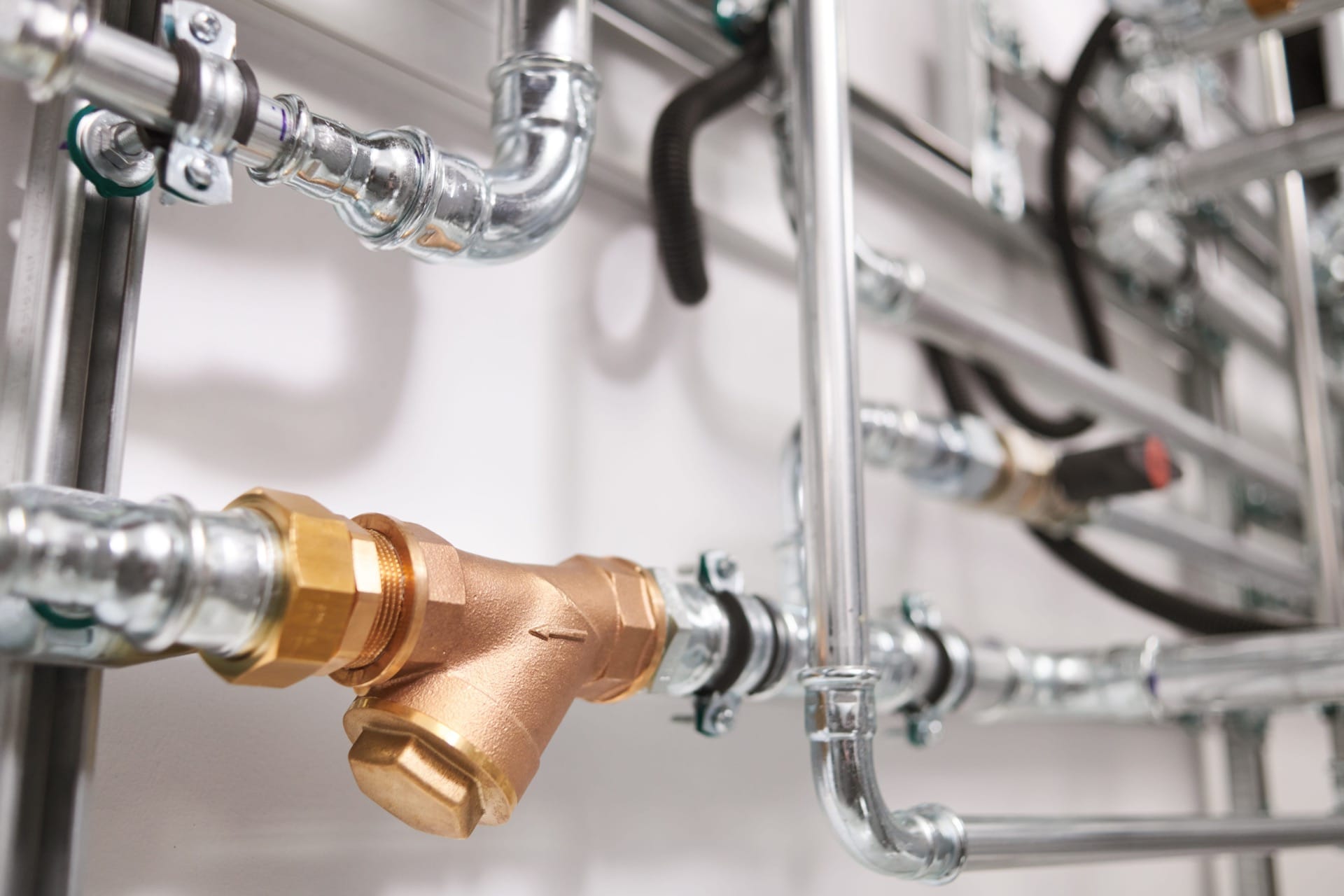
Water heater leaks can cause significant damage if left untreated, leading to wasted energy, increased utility bills, and potential water damage to surrounding areas. Addressing leaks promptly is essential to prevent these issues and maintain the appliance’s efficiency.
This guide offers a clear, step-by-step approach to identifying and repairing common water heater leaks, allowing homeowners to tackle minor problems themselves before they escalate. It covers typical leak sources, necessary tools, and practical repair techniques to make the process manageable and safe.
Identifying Water Heater Leak Signs and Causes
Water heater leaks can originate from various points and often show specific signs before becoming severe. Recognizing these signs early and understanding the potential causes helps prevent damage and guides effective repairs.
Common Indicators and Early Symptoms
Leaks often present as visible water puddles around the base of the water heater. Dampness or moisture on nearby floors or walls is another warning. Rust discoloration or corrosion spots on the tank or pipes indicate prolonged water exposure.
Unusual sounds like hissing or dripping from the heater can signal leaking valves or connections. A sudden drop in hot water pressure or inconsistent water temperature may also indicate an internal leak or failing components.
Regular inspection for these symptoms helps detect leaks early, saving costs linked to water damage or equipment failure.
Potential Causes of Leaks
Leaks commonly stem from loose or damaged pipe connections, worn-out washers, or corroded fittings. Corrosion inside the tank, especially in water heaters older than 8-12 years, often causes leaks through the metal body.
Faulty temperature and pressure (T&P) relief valves can release water if they malfunction. Drain valves left loosely closed or damaged can also leak. In some cases, cracks in welds or sediment buildup accelerate wear, necessitating tank replacement.
Step-By-Step Water Heater Leak Repair Process
Repairing a leaking water heater involves careful preparation, immediate temporary actions to prevent damage, and professional permanent fixes.
Safety Precautions Before Starting Repairs
Before beginning any leak repairs, it is critical to turn off the water supply to the heater to stop further leakage. Next, shut off the power source—either electricity or gas—to avoid electrical shock or fire hazards.
Wearing protective gloves and safety glasses protects against hot water and debris during the repair process. Avoid touching rusty or corroded areas without protection, as these may cause injury or worsen damage.
It is advisable to keep the repair area dry and clear of obstacles. Having a towel or bucket ready helps manage unexpected drips. Following these precautions ensures the repair can proceed safely and reduces the risk of injury or further water damage.
Temporary Leak Management Techniques
To minimize damage before a permanent fix, the first step is to isolate and contain the leak. Placing a drip pan or bucket under the leak can prevent water from spreading on floors.
Applying plumber’s tape or epoxy putty around small pipe cracks or fitting leaks can slow dripping temporarily. Tightening loose valves or connections with a wrench may stop leaks caused by vibrations or loosened joints.
Using a shut-off valve, if accessible, to turn off water flow directly to the heater limits water loss. These temporary measures should only stay in place until a qualified plumber can perform thorough diagnostics and repair, as they do not resolve underlying causes.
Permanent Leak Solutions by Right Solution Plumbing
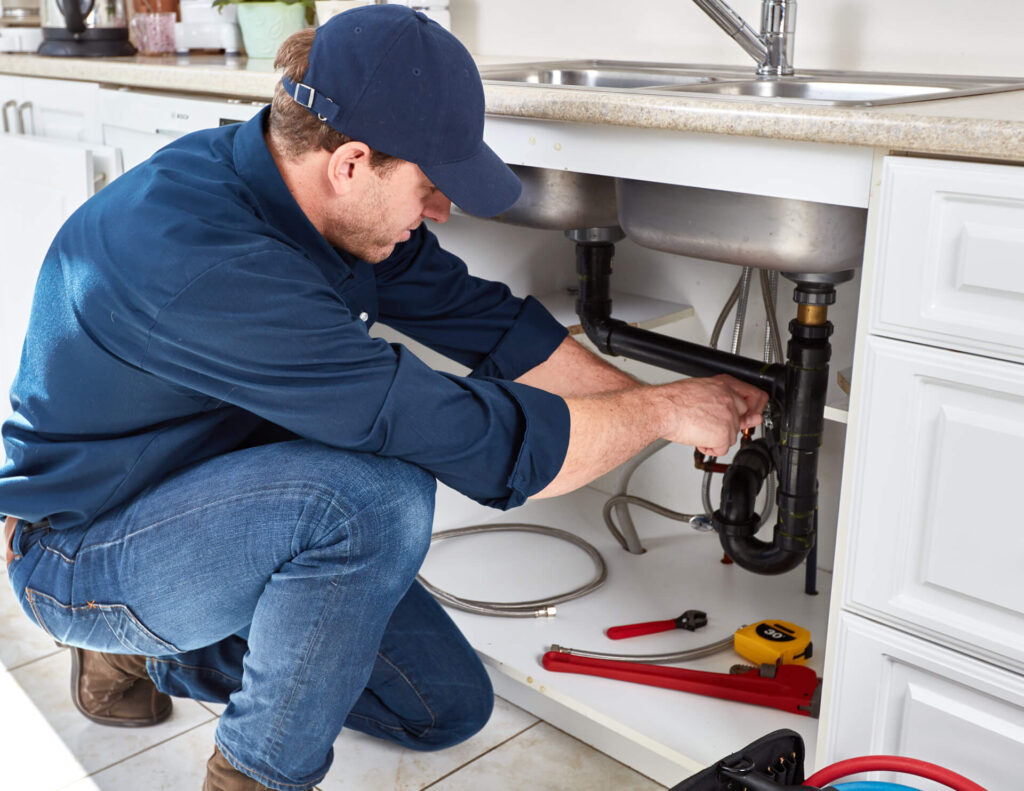
Right Solution Plumbing begins with a detailed inspection using diagnostic tools such as moisture sensors and pressure tests to locate the exact leak source. They assess tank integrity and pipe conditions to recommend the proper repair approach.
Common repair techniques include replacing faulty valves, tightening or swapping out damaged piping, and repairing or replacing the tank if corrosion or cracks threaten functionality.
Right Solution Plumbing offers fast response times and flexible scheduling, minimizing water damage risks and homeowner inconvenience. Their customer-centric approach guarantees reliable water heater leakage solutions and long-term prevention of recurring leaks through maintenance guidance and thorough repairs.
Preventative Maintenance for Water Heaters
Effective preventative maintenance focuses on routine inspections and professional servicing. Addressing wear early reduces the risk of leaks and extends the water heater’s lifespan.
Routine Checks and Upkeep
Regularly inspecting the water heater prevents small issues from becoming leaks. Key tasks include checking the pressure relief valve, examining the tank for rust or corrosion, and testing the thermostat settings for accuracy. Flushing the tank at least once a year removes sediment buildup that can cause internal damage and reduce heating efficiency.
Maintaining pipe connections and looking for signs of moisture or puddles under the unit is critical. Replacing worn-out anode rods every 3-5 years helps slow corrosion inside the tank. Keeping the area around the heater clean and clear aids ventilation and reduces fire risk.
Benefits of Regular Professional Maintenance
Professional maintenance offers thorough inspections beyond basic upkeep. Experts can identify hidden issues like faulty valves, worn seals, or compromised insulation. They ensure electrical connections and gas lines meet safety standards.
Annual service by a trained technician often includes flushing the system, checking the burner or heating element condition, and testing safety features. This thorough approach decreases emergency repairs and lowers energy costs by ensuring the system runs efficiently. Professional assessments also provide clear guidance on when replacement is necessary, preventing costly failures.
Debunking Common Myths About Water Heater Repair
Water heater repairs are often misunderstood, leading homeowners to make decisions based on incorrect information. Misconceptions about when to repair, how to fix leaks, and the necessity of professional help can cause ineffective or costly outcomes.
Misconceptions Leading to Ineffective Fixes
One common myth is that all water heater leaks require immediate replacement of the entire unit. In reality, many leaks can be repaired by replacing small parts like valves or gaskets.
Another misunderstanding is that DIY fixes are always unsafe or ineffective. While some repairs do need professional skills, many simple leaks can be addressed safely by homeowners who follow clear instructions.
Assuming that ignoring a minor leak won’t cause further damage is also incorrect. Even small leaks can lead to rust, water damage, or increased energy costs over time if not repaired promptly.
Back to Blog