
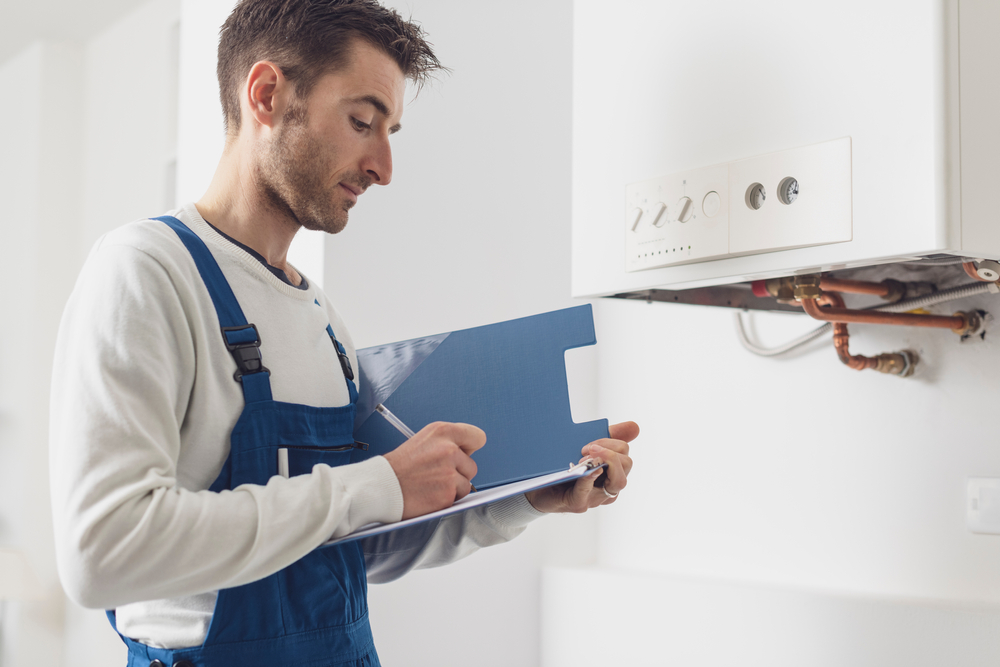
Water heater leaks from the bottom are a common issue that can cause inconvenience and potential water damage if not addressed promptly. These leaks often originate from corroded components, loose fittings, or internal tank deterioration. Understanding the specific causes of the leak helps determine whether a simple repair or full replacement is needed. Leaks may stem from worn gaskets, loose connections around the bottom element panel, corroded drain valves, or sediment buildup inside the tank.
Common Causes of a Water Heater Leaking from the Bottom
Leaks at the bottom of a water heater often result from wear and tear related to internal pressure and material degradation. Key issues include sediment accumulation, corrosion, and problems with the drain valve, each affecting the tank’s integrity and causing water to escape.
Sediment Buildup in the Tank
Sediment buildup occurs when minerals and debris from the water settle at the bottom of the tank over time. This layer traps heat, causing overheating and damaging the tank’s interior lining.
As sediment hardens, it promotes corrosion and can create small cracks or holes. These openings lead to leaks at the tank’s base. The pressure from sediment also strains the tank’s metal, accelerating wear.
Corroded Water Heater Tank
Corrosion weakens the tank’s structure by eating away at the metal from the inside. It typically begins when protective coatings degrade, exposing the steel to water and oxygen.
Rust spots appear and grow, eventually causing holes that leak water. Corrosion often affects the tank bottom because water settles there, increasing contact with air and minerals.
This condition is more common in older units or those with poor water quality. Tanks showing visible rust or leaks from the bottom usually need professional evaluation or replacement.
Loose or Faulty Drain Valve
The drain valve, located near the bottom, allows for draining during maintenance. If this valve is loose, damaged, or improperly closed, it can be a direct source of leaks. A faulty valve may drip continuously or leak during heating cycles due to pressure changes. Over time, seals inside the valve wear out, causing water to escape.
Tightening or replacing the drain valve often stops the leak, but ignoring it can lead to more serious tank damage. Regular inspection of this component is essential to prevent water heater bottom leaking issues.
How to Identify and Respond to a Leak
Detecting a leak at the bottom of a water heater requires careful observation and prompt action.
Visual Signs of Water Pooling
Water pooling around the base of the heater is the most obvious sign of a leak. Look for damp spots, puddles, or rust forming on the floor near the tank. Even small amounts of moisture or discoloration on the heater’s exterior might indicate a slow leak.
Check the tank’s bottom thoroughly, including connections and valves. Corrosion or mineral deposits are often visible where the leak originates. Pay attention to any water staining on the heater stand or floor, as these signals often precede larger leaks.
Listening for Unusual Sounds
Unusual sounds can help identify the leak’s source. A hissing or dripping noise near the bottom of the unit often corresponds to escaping water or pressure release from faulty valves.
Heating elements or internal parts making tapping or rumbling sounds could signal sediment buildup, causing leaks or tank damage. Consistently hearing water running when no taps are open suggests an active leak. These sounds guide where to focus visual inspections.
Steps to Take When You Discover a Leak
When a leak is confirmed, the first step is to turn off the power supply—electric heaters should be unplugged or switched off at the breaker. For gas models, turn off the gas valve.
Next, shut off the water supply by closing the cold water inlet valve. This prevents additional flooding and water damage.
After these immediate actions, drain the tank partially to reduce pressure. Contact Right Solution Plumbing if you are unsure how to fix the leak or if it involves the tank itself. Temporary solutions like tightening connections or replacing worn-out valves can help, but tank leaks usually require replacement. Prioritize a quick response to avoid escalated repair costs and water damage.
Preventing Future Water Heater Leaks
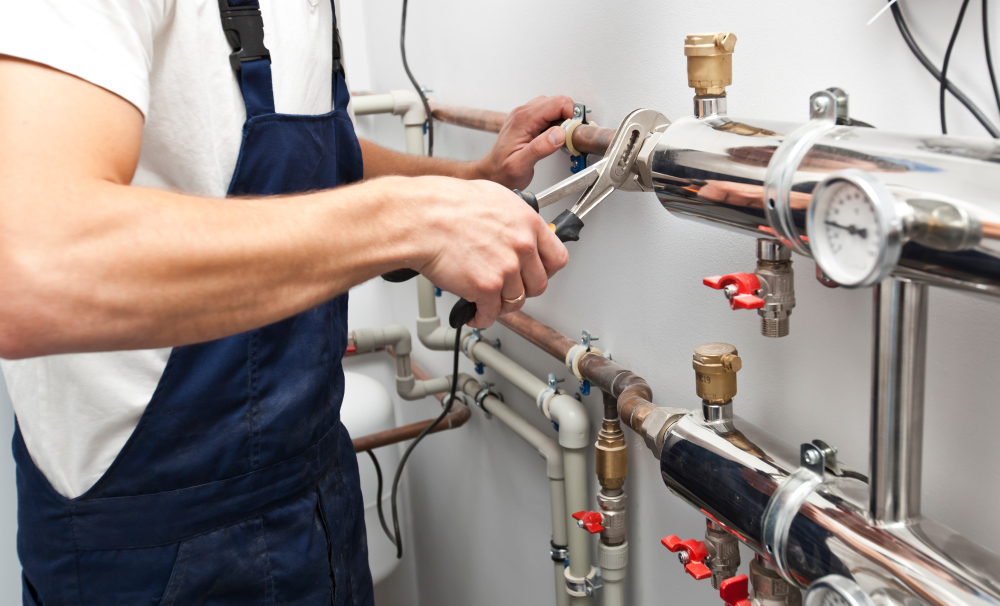
Taking proactive steps can extend the lifespan of a water heater and reduce the risk of leaks. Key strategies include regular upkeep, managing water quality, and addressing issues promptly.
Importance of Regular Maintenance
Regular maintenance is essential to prevent sediment build-up and corrosion, which are common causes of leaks. Flushing the tank annually removes sediment that collects at the bottom and can cause rust and cracks over time.
Replacing the anode rod every 2 to 3 years is also critical. This rod attracts corrosive elements, protecting the tank’s interior from rust. Without replacement, the tank will corrode faster.
A routine inspection of fittings and valves can catch loose or corroded parts before they start leaking. This simple step can prevent costly repairs or replacements.
Installing a Water Softener
Hard water accelerates sediment build-up inside the tank, increasing the risk of leaks. Installing a water softener reduces mineral deposits, protecting the water heater.
By lowering calcium and magnesium levels, a water softener prevents limescale that can damage the tank and heating elements. It also extends the life of plumbing connections by reducing corrosion.
In areas with very hard water, combining a water softener with regular tank flushing is especially effective at maintaining system health and preventing leaks.
Professional Water Heater Services by Right Solution Plumbing
Right Solution Plumbing provides specialized services focused on diagnosing and repairing water heater leaks, especially those originating from the bottom of the unit.
Contacting Right Solution Plumbing for Repairs
Customers can reach Right Solution Plumbing easily through phone or online booking. They prioritize prompt scheduling for water heater issues to minimize water damage and downtime.
Upon contact, the team assesses the problem over the phone to understand the symptoms and urgency. They then dispatch licensed technicians equipped for on-site inspection and immediate repair.
Communication remains clear throughout the process, with upfront pricing and no hidden fees. Emergency repair services are often available to address leaks that pose immediate risks.
Back to Blog