
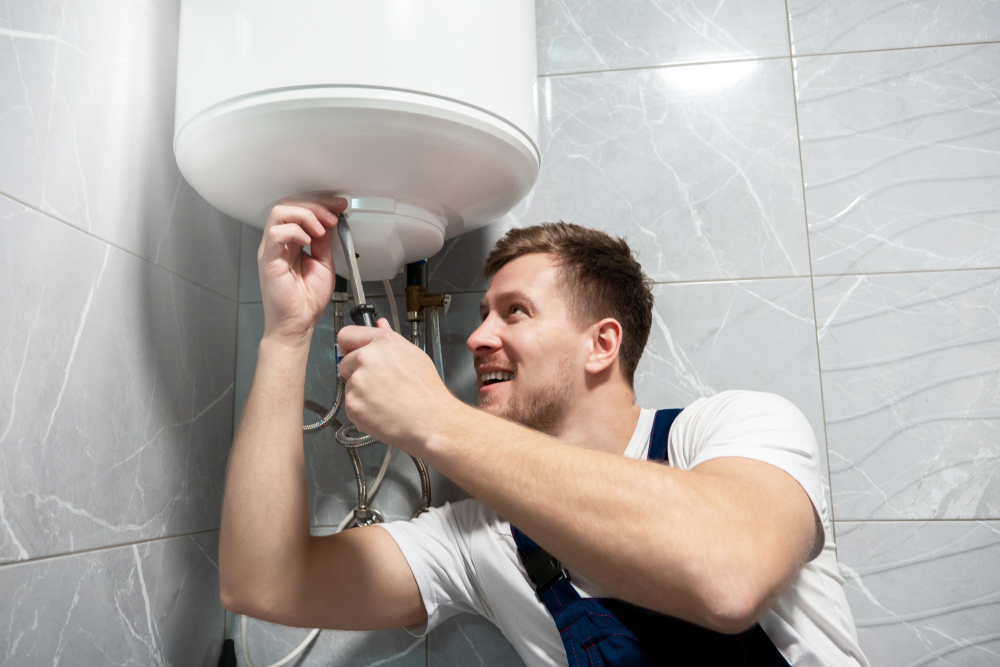
A water heater leaking from the top should not be ignored, as it can pose risks to both the home and the appliance. A leak from the top often signals issues with valves, pipes, or connections that can lead to water damage or, in some cases, electrical hazards if left unaddressed. Identifying the cause quickly helps prevent more serious problems and costly repairs.
The top of the water heater is where essential components like the water inlet, outlet, and pressure relief valve are located. Leaks here might seem minor initially, but can indicate underlying faults that affect the unit’s safety and performance.
Why Leaks From the Top of a Water Heater Are Dangerous
Leaks from the top of a water heater indicate a failure in critical connections or internal components. These leaks pose risks not only due to water damage but also because of their proximity to electrical and gas components.
Risks of Top Water Heater Leaks
Leaks from the top typically arise around inlet and outlet connections, pressure relief valves, or areas where electrical connections enter. These leaks often signal worn seals, loose fittings, or corrosion. If left unaddressed, they can worsen rapidly, leading to larger leaks or a complete failure of the unit.
Water leaking near electrical components increases the risk of short circuits, electrical shocks, or fires. The combination of water and electricity creates significant hazards, making a quick response crucial.
Potential Water Damage and Electrical Hazards
Water leaking from the top can drip onto the floor, walls, or surrounding structures, causing wood rot, mold growth, and structural damage. Even small, persistent drips can damage flooring, drywall, and insulation over time.
Additionally, many water heaters have electrical elements or connections at the top. Water intrusion here can cause corrosion or short circuits, impairing the unit’s function or creating fire hazards. The risk of electric shock also rises if the leak is not isolated quickly.
Impact on Home Safety
A top water heater leak compromises home safety beyond just water and electrical damage. The pressure relief valve and thermostat are often located at the top, and leaks there may indicate safety features are malfunctioning. This can lead to unsafe pressure buildup or overheating.
If unattended, hazardous conditions may develop, including flooding, electrical fires, or gas leaks. Prompt diagnosis by a qualified professional is needed to manage risks and ensure the water heater operates safely.
Identifying and Responding to a Top Leak
A leak at the top of a water heater often signals issues like loose fittings, a faulty temperature and pressure relief (T&P) valve, or corroded connections.
Signs of a Top Water Heater Leak
Water pooling or dripping around the top vent area is the most noticeable sign of a leak. Rust or corrosion stains near the cold water inlet, hot water outlet, or around the T&P valve also indicate a potential problem.
Another sign is moisture or water collecting beneath electrical components or wiring, which poses a safety risk. Unusual sounds such as hissing near the valve or fittings may point to pressure-related leaks.
Visual inspection revealing loose or wet pipe connections confirms a leak. Sometimes steam or vapor may escape, especially if the T&P valve is malfunctioning.
Immediate Steps to Take When a Leak Is Found
The first action is to turn off power to the water heater—electric units should be switched off at the breaker, while gas units require turning off the gas supply.
Next, shut off the cold water inlet valve to prevent further water flow into the tank. Use a bucket or towels to contain any leaking water.
Inspect visible fittings and the T&P valve for loose connections and tighten them carefully. Avoid attempting extensive repairs if corrosion or valve damage is apparent.
Common Causes and Long-Term Solutions
Water heater leaks at the top usually stem from specific parts and connections that experience wear or loosening over time.
Typical Reasons for Top Water Heater Leaks
Leaks at the top often occur due to loose or corroded pipe connections. The cold water inlet and hot water outlet pipes can develop leaks if fittings loosen or sealing washers degrade.
The temperature and pressure relief (TPR) valve is another common source. If faulty or stuck open, it can leak water consistently.
Corrosion inside the tank near the top or around fittings may also cause leaks. This often signals aging equipment but can sometimes be repaired by tightening connections or replacing damaged components.
Preventive Maintenance Tips
- Regularly inspecting and tightening connections at the inlet and outlet pipes helps prevent leaks before they start.
- Testing the TPR valve at least once a year ensures it functions properly and reduces the risk of leaks due to valve failure.
- Flushing the water heater annually removes sediment buildup that can accelerate corrosion or stress fittings, reducing leak risk.
- Visually checking for any signs of corrosion, moisture, or pooling water can catch small problems early.
How Right Solution Plumbing Can Help
Right Solution Plumbing provides expert services specifically designed to address water heater leaks from the top and prevent further damage.
Overview of Right Solution Plumbing’s Key Services
Right Solution Plumbing offers comprehensive evaluations to pinpoint the exact source of a leak, whether it stems from loose fittings, corroded pipes, or faulty valves. Their technicians are skilled in repairing or replacing problematic components, often avoiding full unit replacement when the heater is under 10-13 years old.
They also provide emergency leak repair to stop water damage quickly. The installation of protective elements like pressure relief valves is included to minimize future risks. Their service includes tightening connections, flushing tanks to remove sediment buildup, and testing for corrosion.
Ensuring Water Heater Safety and Prevention
Right Solution Plumbing emphasizes preventive care through regular inspections and maintenance plans. They educate customers on signs of wear or leaks before serious issues develop, reducing the chance of water damage.
They install and test safety devices such as temperature and pressure relief valves to prevent accidents. Their technicians ensure that all plumbing components meet safety standards and local building codes.
Back to Blog