
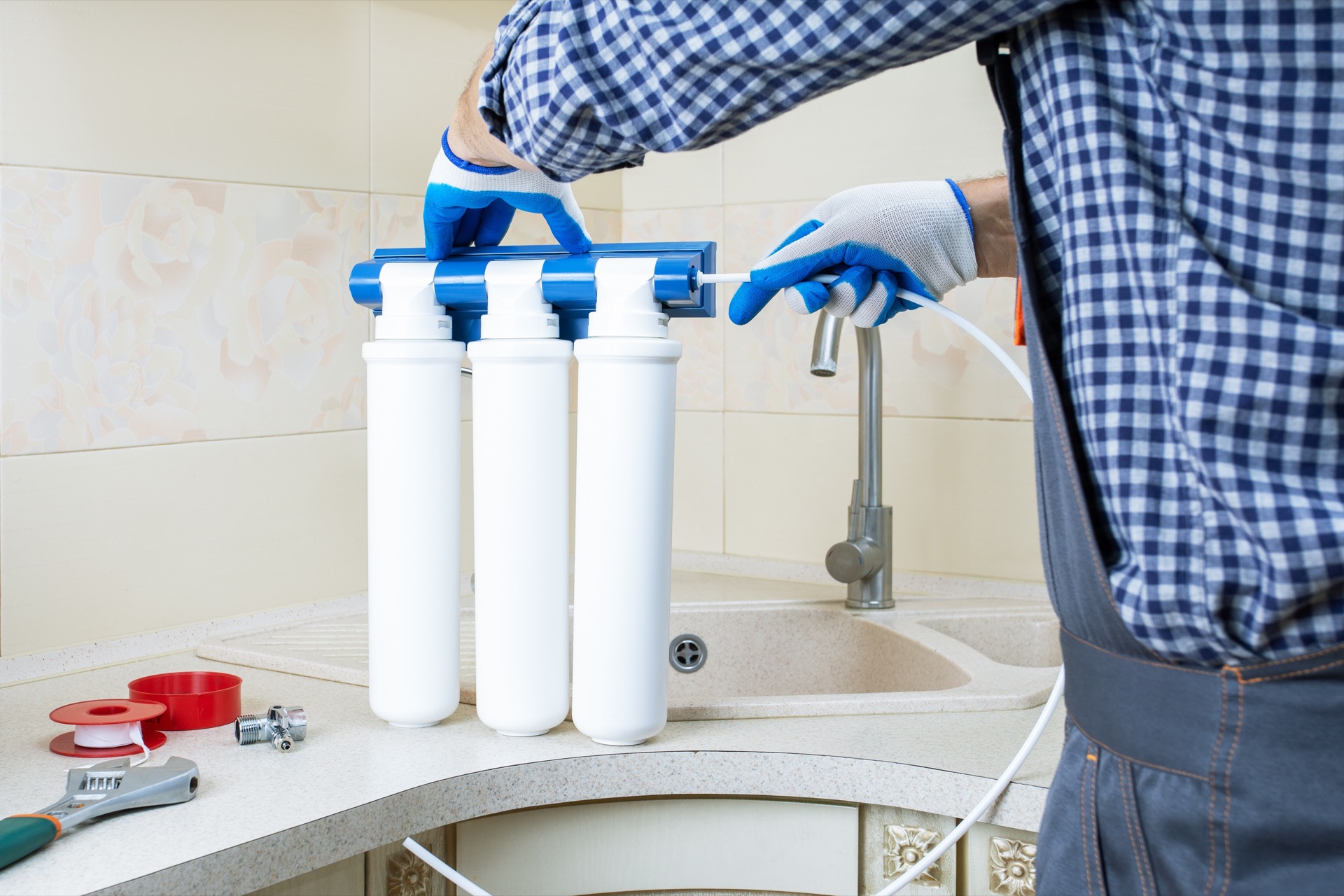
Water softeners improve home water quality by reducing minerals that cause scale buildup and reduce soap effectiveness. This leads to cleaner appliances, fewer plumbing problems, and softer water for daily use.
The key to deciding between DIY and professional installation is understanding that a DIY project can save money but may take 6-8 hours and requires basic plumbing skills, while professional help offers convenience and expertise at a higher cost. Installing the softener before the water heater ensures better system longevity by minimizing sediment buildup.
Understanding Water Softeners
Water softeners address hard water problems by removing minerals like calcium and magnesium. This improves water quality for household use, affecting plumbing, appliances, and daily tasks.
Benefits of Water Softeners
Water softeners reduce scale buildup in pipes and appliances, extending their lifespan. They improve soap and detergent efficiency, leading to cleaner laundry and dishes with less residue. Softened water also feels gentler on skin and hair, reducing dryness.
By preventing mineral deposits, water softeners help maintain consistent water flow and reduce energy costs linked to heating appliances. This can lower maintenance expenses and improve overall household water quality.
Types of Water Softeners
The most common system is the salt-based ion exchange softener, which removes hardness minerals by exchanging them with sodium ions. This method is effective but requires adding salt regularly and periodic system regeneration.
Salt-free systems use different technologies, like template-assisted crystallization, to prevent scale without removing minerals. These require less maintenance but don’t reduce hardness levels as dramatically.
Other options include magnetic or electronic softeners, which claim to affect mineral properties but lack consistent scientific support. Selecting a system depends on water hardness, maintenance preferences, and budget.
DIY Water Softener Installation Tips
Installing a water softener yourself requires careful preparation, the right tools, and a clear understanding of each step. Planning ahead helps avoid common mistakes and reduces the time needed.
Tools and Materials Needed
Essential tools include a pipe cutter or hacksaw, adjustable wrenches, screwdrivers, plumber’s tape, and a drill. Additionally, PEX tubing or copper pipes, fittings, a bypass valve, and a drain hose are required to connect the softener to the household water line.
Materials include the water softener unit, salt or resin according to the model, and pipe insulation if needed. A bucket and towels should be on hand for water spills.
Preparation Steps
The process starts by turning off the main water supply and draining the system. Locating the best installation spot is critical—usually near the main water line after the water meter and before any water heater. The area should have a nearby drain and electrical outlet.
Next, measuring and marking pipe cut points ensures accurate fitting. Confirming the water hardness level beforehand helps in programming the softener correctly. It’s advisable to read the manufacturer’s instructions thoroughly before beginning.
Installation Process Overview
Installation begins by cutting into the main water line and attaching the bypass valve to allow water flow control during servicing. The water softener’s inlet and outlet ports connect to the pipes using fittings, ensuring proper direction of water flow through the system.
A drain line is installed leading to a suitable drainage point, and the overflow tube is connected as a backup. Once plumbing is secure, the system is programmed based on local water hardness and household water usage. Finally, turning the main water supply back on and checking for leaks completes the process.
Professional Water Softener Installation Advantages
Professional installation offers specific benefits that address the complexity of water softener systems, minimizing risks and ensuring long-term performance.
Advantages of Hiring a Professional
Hiring a professional ensures proper sizing, installation, and system programming according to local water conditions. Experts have experience that reduces installation time—typically a half to a full day—and avoid costly errors.
Professional service often includes testing water hardness before installation to tailor the system. Benefits include a warranty on both equipment and service, giving homeowners peace of mind. Local companies like Right Solution Plumbing Services often provide comprehensive packages involving installation, testing, and maintenance.
Common DIY Pitfalls
DIY installations frequently encounter difficulties such as incorrect system sizing and faulty plumbing connections. These errors can cause poor softening performance or leaks. Many homeowners underestimate the skill and tools required to install these systems correctly.
Another typical problem is skipping necessary water testing, leading to a mismatched water softener capacity. Programming and initial system calibration are also areas where errors occur if done without professional guidance.
How Professionals Ensure Quality
Professionals use specialized tools and follow manufacturer guidelines tailored to the home’s plumbing layout. They conduct precise water hardness tests to properly set regeneration cycles and salt usage. Companies like Right Solution Plumbing Services often provide thorough testing after installation and offer post-service support, which helps maintain optimal system function over time.
Maintenance and Aftercare
Proper maintenance and timely attention are essential to keep a water softener operating efficiently. Regular upkeep prevents common issues, while knowing when to call a professional helps avoid costly damage.
Routine Maintenance Tips
- Routine maintenance includes checking salt levels in the brine tank and replenishing it before it runs too low. Salt should be free from clumping to avoid blockages.
- Cleaning the brine tank annually clears any sediment buildup. This improves regeneration and system performance.
- Regularly inspect the resin bed and, if possible, regenerate it manually following manufacturer guidelines. Maintaining clean valves and bypass settings ensures smooth water flow.
Right Solution Plumbing emphasizes routine checks to ensure water softeners serve their purpose efficiently.
Identifying Problems That Require a Professional
Some issues need expert intervention beyond routine care. If the system repeatedly fails to regenerate or water hardness increases, professional diagnostics are required.
Other signs include unusual noises, water leakage around connections, or error codes on digital displays. Persistent salt bridging or clogged brine lines may also signal the need for plumbing expertise.
Attempting DIY fixes on complex problems can worsen system damage. Skilled plumbers from Right Solution Plumbing offer reliable troubleshooting and repair services tailored to any water softener model.
They focus on prompt diagnosis and safe, effective solutions to restore optimal function quickly.
Back to Blog