
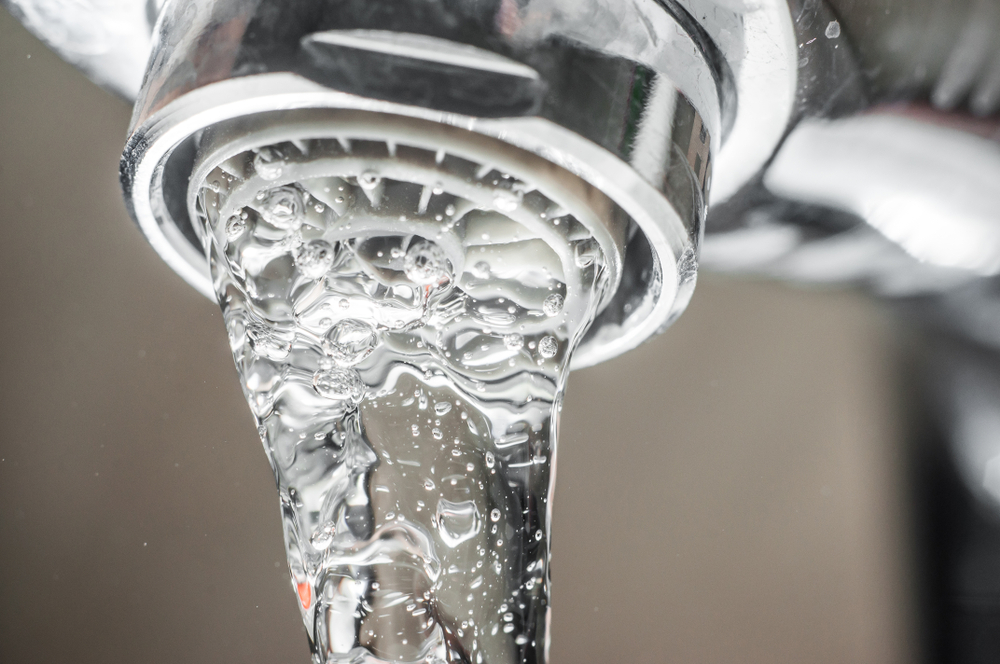
Installing a water softener is a practical step toward protecting plumbing systems and extending the lifespan of household appliances by reducing mineral buildup from hard water. It also enhances water quality, making everyday tasks like cleaning
Why Install a Water Softener?
Installing water softeners in homes addresses common problems caused by hard water. It protects plumbing systems and improves the efficiency and lifespan of appliances and fixtures that use water daily.
Benefits of Softened Water for Appliances and Fixtures
Appliances such as water heaters, dishwashers, and washing machines operate more efficiently with softened water. Hard water deposits cause mineral buildup inside these machines, making them work harder and less effectively.
Softened water prevents limescale deposits, which improves heating efficiency and reduces energy consumption. Appliances generally last longer when mineral buildup is minimized, saving money on early replacements.
Fixtures like faucets and showerheads remain cleaner and less prone to staining. Softened water reduces spotting on dishes and glassware, improving the overall appearance and cleanliness in the home.
Key Factors in Choosing the Best Installation Location
A water softener’s performance depends heavily on its placement. The ideal location balances accessibility, plumbing integration, and environmental conditions while maximizing efficiency and ease of maintenance.
Advice on Choosing the Optimal Location for Your Water Softener Installation
Locating the water softener close to the main water line entry ensures it treats all incoming water effectively. Typically, basements, garages, or utility rooms near this point work best.
The spot must have level ground to support the system’s weight and avoid operational issues. It should also be shielded from extreme temperatures like freezing or excessive heat.
Understanding Water Softener Plumbing Requirements
A water softener requires connections to the cold water supply line, a drain, and a power outlet. These plumbing and electrical points need proximity for efficient operation.
The inlet should be before the water heater to prevent scale build-up inside the heater. A nearby drain is necessary for regeneration cycles, which expel brine solution.
Proper fittings and space for hoses and valves are essential. The install site must allow straightforward water line shutoffs to service or replace the softener without disrupting the whole house.
Considerations for Limited Space Installations
When space is tight, consider compact water softeners or alternate spots like closets dedicated to system storage. Crawl spaces can be used if they are accessible and dry.
If the preferred site lacks direct drainage, installing a condensate pump or standalone drain line can resolve this. Electrical outlet extension or dedicated circuits may be required as well.
In all cases, ensure enough room around the unit for maintenance tasks. Avoid cramped spaces that complicate salt refilling or system checks, which can reduce the unit’s lifespan.
Common Places to Install a Water Softener
Choosing the right location for a water softener depends on plumbing layout, accessibility, and the water source entry point. The spot should enable efficient water treatment while allowing easy maintenance.
Near the Main Water Line
Installing a water softener near the main water line ensures all incoming water is treated before distribution. This is typically the best choice for whole-house softening. The main line is often found near the water meter or pressure tank, especially with well water systems.
Positioning here prevents hard water from reaching appliances and fixtures, protecting them from mineral buildup. It also offers the convenience of treating all water from a single point, reducing complexity in plumbing modifications.
The area should be level and near a drain and power source. This setup simplifies installation and allows for easy regeneration and maintenance.
In Basements or Utility Rooms
Basements and utility rooms are popular for water softener installation due to their proximity to main water lines and available space. These locations provide easy access while keeping the unit out of common living areas.
Basements typically have relatively stable temperatures, reducing risk of freezing or overheating. Utility rooms often include existing plumbing and power connections, making installation straightforward.
Garage Installations and Their Pros/Cons
Garages offer a convenient, out-of-the-way location for water softeners, often near the home’s main water entry or heater. They free up indoor space and provide good ventilation.
Garages typically have easy access to drainage, which is necessary for the softener’s regeneration cycle. Installation here can reduce noise impact inside the home. However, garages may experience temperature fluctuations, increasing the risk of freezing or damage in colder climates. Adequate insulation or frost protection should be considered.
Placing the softener in the garage balances convenience and performance but requires climate awareness and protection measures.
Ensuring Optimal Water Softener Performance
Proper maintenance and professional installation are critical to keep a water softener functioning effectively. Both aspects contribute to consistent soft water supply, system longevity, and reduced repair needs.
Maintaining Your Water Softener for Optimal Performance
Regular maintenance is essential to prevent issues like salt bridging, resin bead depletion, and clogging. Homeowners should routinely check salt levels and refill them to maintain regeneration cycles. Cleaning the brine tank annually ensures no buildup interferes with the system.
Flushing the resin bed periodically helps preserve ion exchange capacity. It is also important to inspect valves and bypass systems for proper operation. Avoid using generic salt that can cause impurities; instead, use high-purity salt designed for water softeners.
Scheduling annual professional tune-ups can detect and fix hidden problems early. This maintains efficiency and prevents costly damage to plumbing and appliances.
How Right Solution Plumbing Can Assist with the Installation
Right Solution Plumbing offers expert guidance to choose the best installation location, typically near the main water entry point and close to a drain. This ensures optimal system performance and ease of maintenance.
They accurately assess plumbing layouts to avoid issues like poor water flow or drainage problems. Their trained technicians handle precise hookups, correct bypass valve installation, and secure filtration settings.
By using Right Solution Plumbing, customers reduce the risk of installation errors that can reduce efficiency or cause damage. Their professional service also includes advice on maintenance routines tailored to the specific water softener model installed.
Back to Blog