
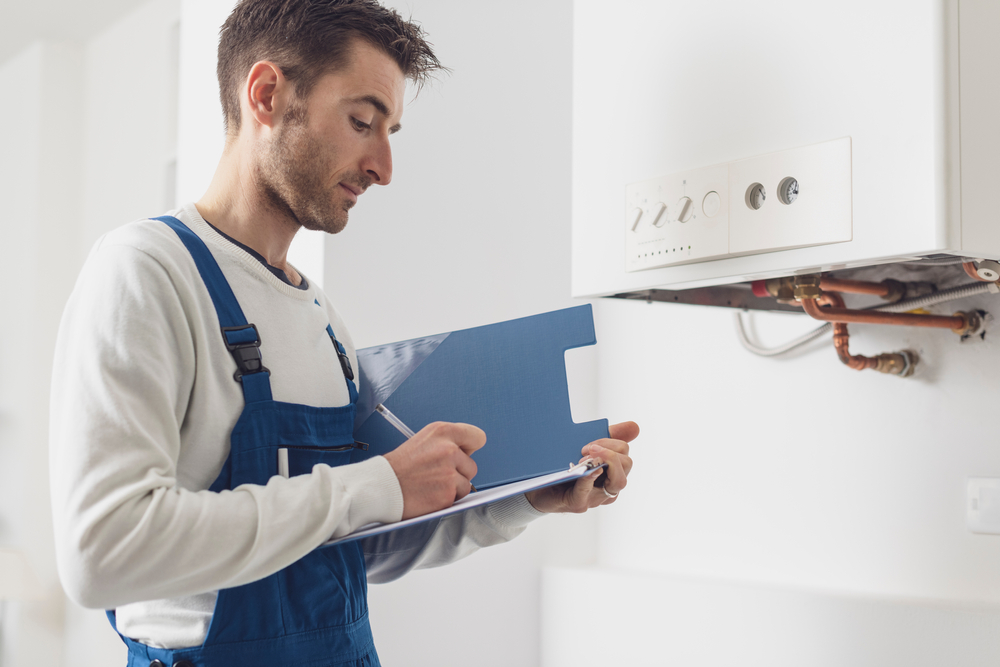
A leaking water heater is a common issue that can stem from various causes, such as corrosion, faulty valves, or loose connections. Identifying the exact source of the leak is essential to determine whether a simple repair or a professional replacement is needed. Ignoring a leak can lead to water damage, higher energy bills, and even safety hazards.
Common Causes of Water Heater Leaks
Water heater leaks often result from specific mechanical or material failures. Identifying the precise cause can help determine whether a simple repair or a replacement is needed.
Corrosion and Rust in the Tank
Corrosion is a leading cause of water heaters leaking. Over time, minerals and oxygen in the water react with the metal tank, causing rust to form. This corrosion weakens the tank walls, eventually leading to cracks or holes through which water escapes.
A common sign of corrosion is rusty, discolored water or visible leaks near the bottom of the tank. Sediment buildup inside the tank accelerates rust and can clog internal components.
Loose Gaskets and Connection Issues
Leaks can also stem from loose or worn gaskets and plumbing connections. Gaskets provide seals at the water heater’s fittings and valves, preventing water escape. Over time, these rubber seals dry out, crack, or shift, allowing water to leak.
Pipe fittings, drain valves, and temperature-pressure relief valves are all common leak points around the heater. To check this, the water supply and power should be shut off before tightening fittings or replacing worn gaskets.
Overpressure and Overheating Problems
Water heaters have safety mechanisms to prevent damage from excess pressure or temperature. If the pressure relief valve fails or the thermostat malfunctions, the heater can overheat or build up too much pressure, causing leaks.
Overpressure can force water out of weak points or relief valves deliberately opening to release pressure. Signs of this issue include water pooling near the pressure relief valve or unusually high water temperatures.
Age-Related Wear and Tear
Water heaters typically last 8–12 years. Over this period, normal wear weakens the tank and parts. Metal fatigue and repeated heating cycles degrade materials, making leaks more likely.
Older tanks are more prone to corrosion, gasket failures, and valve malfunctions. Performance also declines over time, often coinciding with leaks and reduced water heating efficiency.
How to Troubleshoot and Fix Water Heater Leaks
Identifying the source of a leak is critical before attempting any repair. A careful and systematic approach helps determine whether the problem is minor enough for a DIY fix or requires professional intervention.
Step-by-Step Inspection Guide
First, turn off the water supply and power source to the heater to prevent accidents. Check around the tank for visible signs of water pooling or drips. Inspect these common leak points closely:
- Drain valve: Look for water escaping from the valve at the side or bottom.
- Pressure relief valve: Check at the top or side for moisture or dripping.
- Pipe connections: Examine inlet and outlet pipe fittings for looseness or corrosion.
- The tank: Look for rust spots or cracks, often indicating a failing tank.
When to Call a Professional
If the leak comes from the tank itself, or leaks persist despite tightening or replacing valves, professional help is necessary. Water leaking from the tank often means corrosion or internal damage, requiring tank replacement.
Unexplained leaks near electrical components, or if the water heater is old and leaking from multiple points, also warrant a licensed plumber’s assessment.
Preventive Maintenance to Avoid Future Leaks
Implementing a routine that focuses on inspection, cleaning, and monitoring water conditions helps maintain the heater’s efficiency and prevents common problems.
Regular Inspection Routines
Frequent visual and physical checks can catch early signs of wear and leaks before they worsen. It is important to look for any corrosion, rust spots, or moisture around the tank and fittings. Inspect all pipe connections and the thermostat area for loose fittings and drips.
Any abnormalities should prompt immediate attention, including possible professional evaluation if the issue appears beyond simple tightening or cleaning.
Flushing the Tank Periodically
Sediment and mineral deposits settle at the bottom of the tank over time, reducing efficiency and causing corrosion. Flushing the tank annually removes these deposits and can significantly reduce the risk of leaks. To flush, the water heater should be turned off and cooled.
Checking Water Hardness and Sediment Buildup
Water hardness directly impacts sediment accumulation inside the heater. Hard water carries higher levels of calcium and magnesium, which accelerate scale formation on heating elements and tank walls. Reducing hardness prevents excessive sediment and corrosion, reducing the likelihood of leaks.
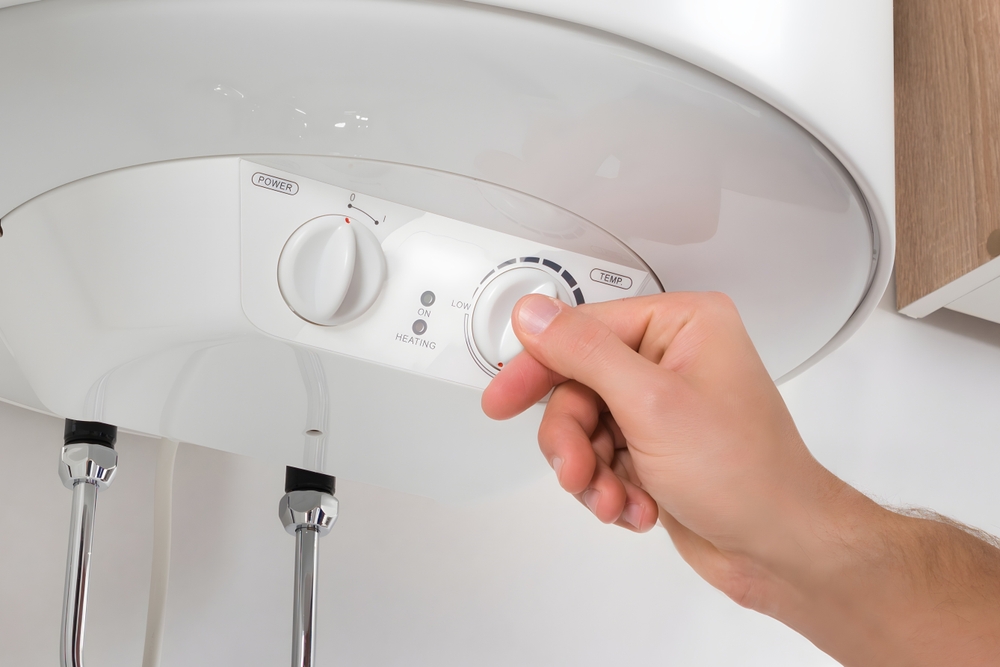
Professional Repair and Replacement Services
Right Solution Plumbing Services provides specialized expertise for diagnosing and fixing water heater leaks.
Right Solution Plumbing Overview
Right Solution Plumbing Services offers skilled technicians trained in handling all water heater issues. They prioritize accurate diagnosis to identify the precise cause of leaks, whether from corroded tanks, faulty valves, or damaged gaskets.
The company emphasizes transparent communication, explaining repair options clearly to clients. Their reputation is built on timely service and minimizing disruption in the home.
Comprehensive Repair Solutions
Right Solution Plumbing delivers a range of repair services to address water heater leaks. These include replacing leaking valves, tightening loose connections, repairing or swapping damaged gaskets, and addressing corrosion issues within the tank.
For minor leaks, they provide cost-effective fixes that extend the unit’s lifespan. When corrosion or internal damage is severe, they advise on replacement to avoid recurrent leaks.
Installation and Replacement Services
When repair is insufficient, Right Solution Plumbing offers full installation and replacement of water heaters. They help customers select units appropriate in size and energy efficiency to meet household needs.
The team manages the entire process—from removal of the old unit to precise installation and system testing—guaranteeing proper setup that complies with local plumbing codes.
Emergency Plumbing Support
Water heater leaks can cause sudden water damage and disruption. Right Solution Plumbing provides 24/7 emergency plumbing support to address urgent leaks promptly.
Their emergency technicians are equipped with the tools and parts for immediate fixes or temporary solutions until a permanent repair.
Back to Blog